
Our Lodge Philosophy
Namibia made history as the first country in the world to specifically incorporate environmental protection and nature conservation into its constitution. That wasn’t symbolism. It became a blueprint.
This journey was built deliberately, with that philosophy in mind from the very beginning.
Namibia’s lodge culture, as we know it today, emerged after independence—not by copying East Africa’s safari model, but by creating something uniquely its own. Land came first. Communities became partners. Tourism became a way to restore and protect landscapes rather than simply extract value from them.
That matters to us.
Namibia rewards patience. Wildlife sightings are earned. Distances are vast. The landscape often becomes the main character. That mirrors the way we ride here—long days, quiet roads, and experiences that reveal themselves slowly.
The lodges we’ve selected reflect that same philosophy. Many sit on private reserves, conservancies, or working ranches where conservation is not a marketing slogan but a daily practice. Others protect something equally valuable: dark skies, open space, undeveloped landscapes, and a way of life increasingly difficult to find elsewhere.
Most importantly, these are working conservation partnerships. Namibia’s community conservancy model changed the rules by giving wildlife real value to the people who live alongside it. Places like Okonjima Nature Reserve, home of the AfriCat Foundation, show what that looks like in practice—coexistence, not performance. Wildlife, local communities, and tourism working together rather than competing with one another.
Properties such as Rooisand, Namibgrens, and Desert Hills remind us that conservation is not always about a single species. Sometimes it is about protecting silence. Darkness. Space. Perspective.
We have intentionally chosen lodges that act less like destinations and more like listening posts—places that help us better understand the landscapes we travel through and the people working to protect them.
The desert doesn’t perform. It simply asks how you move through it. Our lodge selection is part of that answer.
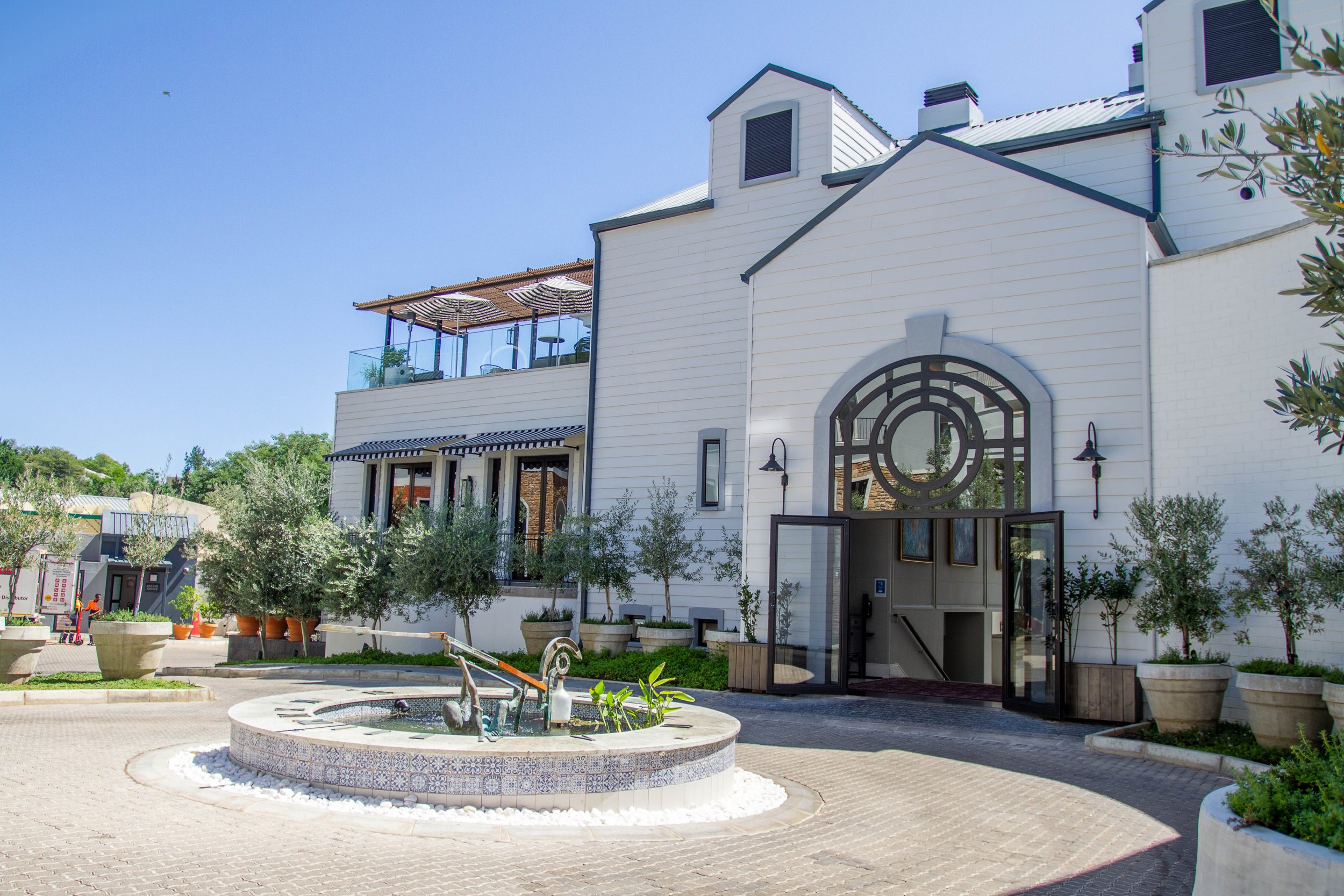
THE WEINBERG - Windhoek
Owners of Gondwana Collection Namibia operates on a simple idea: if tourism is going to exist here, it should leave the land better than it found it. Since the mid-90s, they’ve converted working farms into protected reserves, reintroduced native wildlife, and built lodges that fund conservation rather than extract from it.
This isn’t surface-level sustainability. Gondwana runs lean—water, energy, waste—all managed with restraint. Just as importantly, their lodges are rooted in local communities, creating long-term jobs and real economic stakes in protecting the landscape.
For us, that matters. These lodges aren’t just places to sleep—they’re part of a system that works. Land, people, wildlife, and guests all moving in the same direction. That alignment is why they belong on this trip. LINK
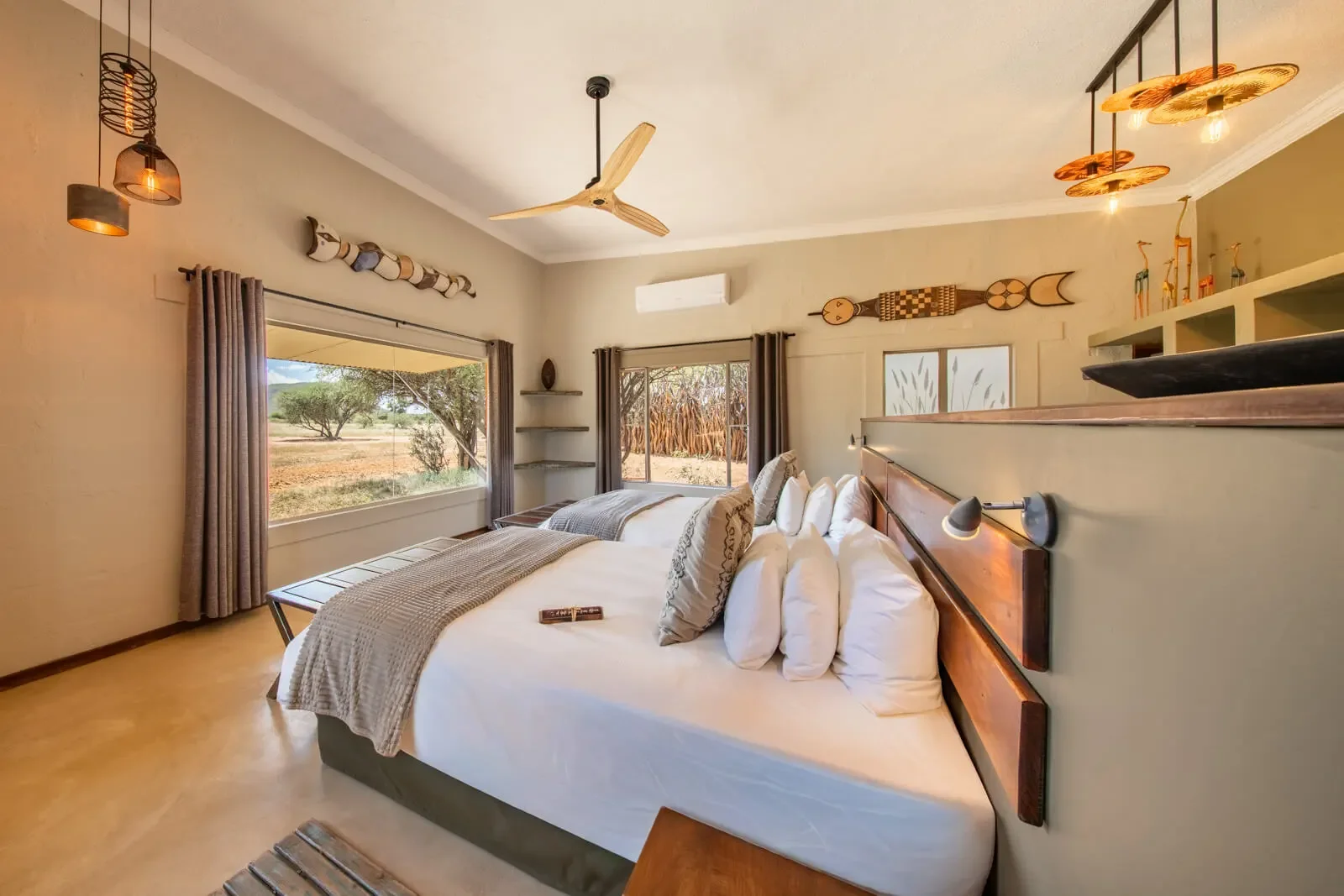
Okonjima Lodge
oKONJIMA NATURE RESERVE
Why Okonjima?
We’re going because it represents something deeper.
What began as a working cattle farm has become one of Namibia’s great conservation success stories—a place where wildlife, research, and responsible stewardship intersect. Home to the AfriCat Foundation, the reserve protects thousands of hectares of wilderness while supporting important work with leopard, rhino, brown hyena, and other species that call this landscape home.
But conservation alone isn’t what makes Okonjima special. It’s access.
Through our relationship with Dan Craven and the Hanssen family, we experience the reserve differently. We won’t simply drive through it—we’ll ride through it. By bicycle. Along remote farm roads and wildlife tracks, sharing the landscape with giraffe, zebra, antelope, and whatever else the day may bring.
For RAID, places like Okonjima matter. Not because they’re famous, but because they’re real. The best journeys are built on relationships, meaningful access, and experiences that can’t be replicated elsewhere. Okonjima is exactly that. LINK
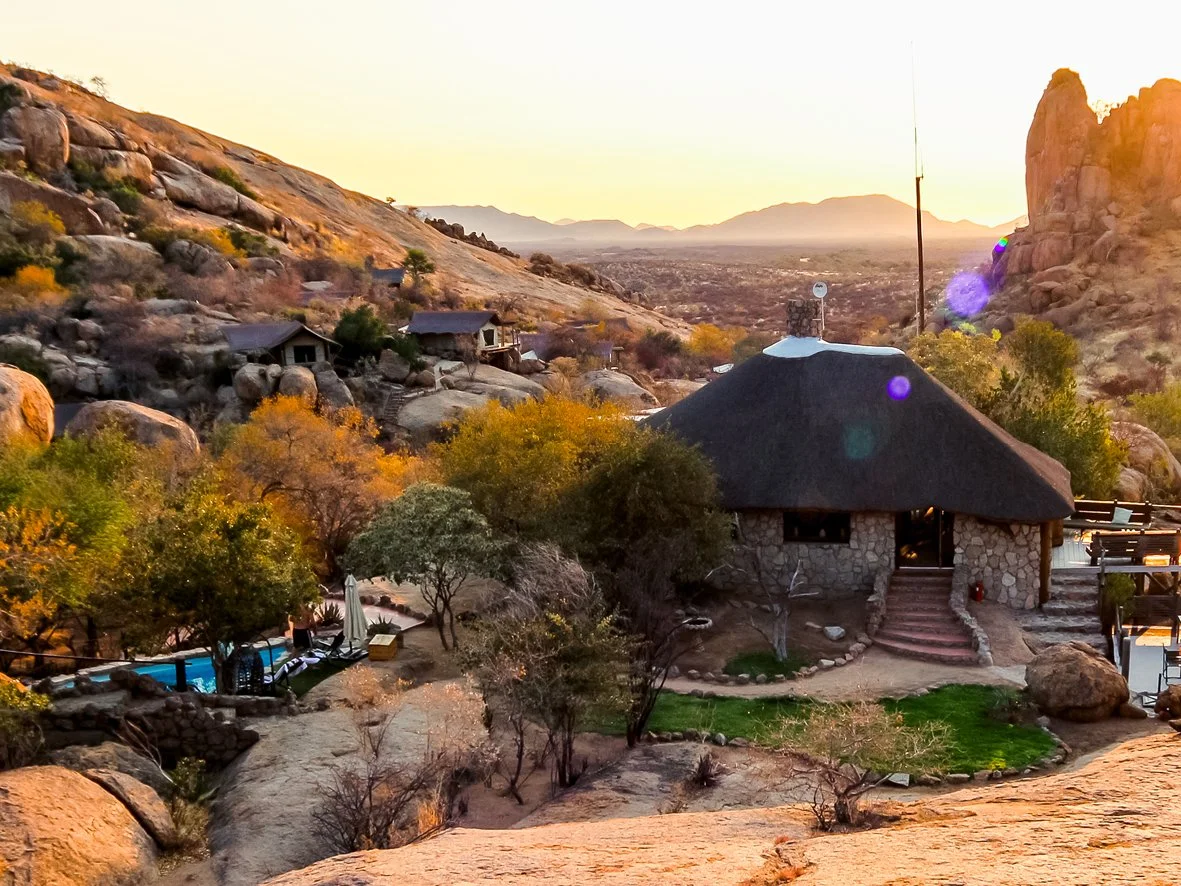
Ondudu Safari Lodge
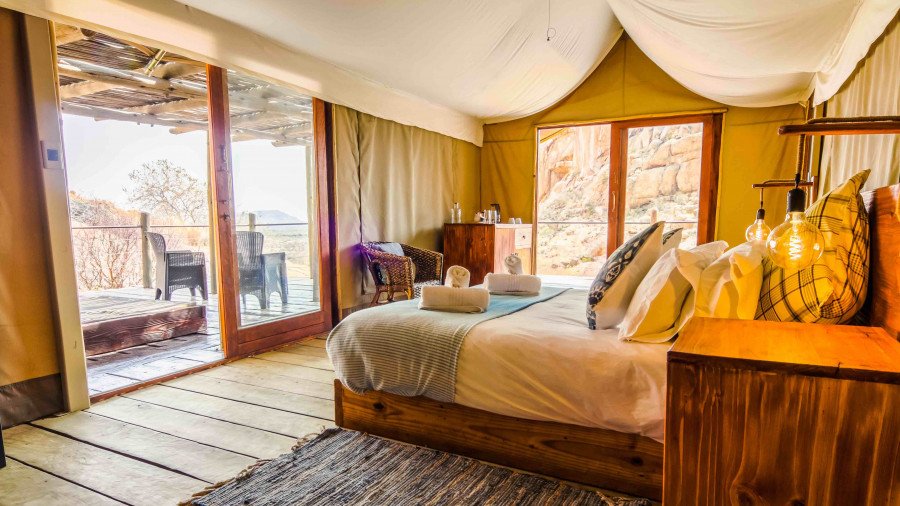
Ondudu Safari Lodge
Hidden deep within Namibia’s Erongo Mountains, just outside the frontier town of Omaruru, Ondudu Safari Lodge feels less like a hotel and more like part of the landscape itself. Massive granite domes, dry riverbeds, thornveld, and balancing boulders shaped over 130 million years surround the lodge, creating one of the most visually striking regions in Namibia.
What makes Ondudu special is its connection to the land. Elevated walkways weave between granite formations. Luxury tented chalets disappear into the rocks. Open-air bathrooms, firepits, and quiet decks face endless desert horizons. The mountain remains the experience.
Ondudu is also part of the Erongo Mountain Nature Conservancy, a large-scale conservation effort where private landowners work together to protect wildlife and open migration corridors across the region. Unlike fenced safari systems elsewhere in Africa, wildlife moves freely here through vast unfenced landscapes shared between conservation, farming, and local communities.
That connection to community matters. Omaruru itself exists because of water — a historic crossing point used for generations by Herero and Damara communities moving cattle and trade through the granite valleys of the Damara Belt. Today, the town remains deeply tied to the rhythms of the surrounding land.
For RAID, Ondudu represents something deeper than safari luxury. Riders arrive dusty from the gravel roads and granite wilderness surrounding Omaruru, and the experience simply continues after the riding stops. Firelight beneath enormous skies. Silence settling into the valleys. Sunset moving across ancient stone.
It’s one of those rare places where the downtime matters as much as the ride itself. LINK
Ai-Aiba Lodge
AI-AIBA- THE ROCK PAINTING LODGE
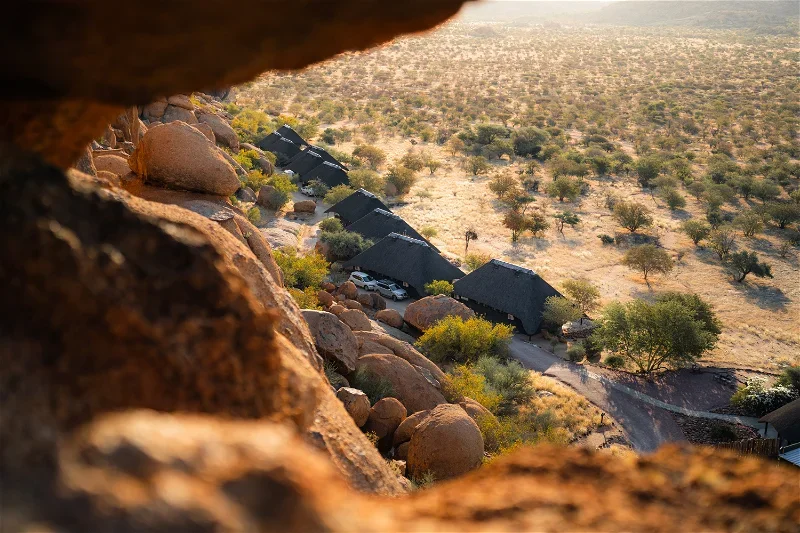
Ai-Aiba Lodge sits inside a rare conservation landscape that prioritizes freedom over control. The lodge operates within the Erongo Mountain Rhino Sanctuary Trust (EMRST)—a privately led effort where landowners removed internal fences, ended commercial livestock, and gave wildlife room to move again.
Nearly 180,000 hectares now function as a largely open system. Game moves freely across the Erongo Mountains; perimeter fencing exists only where necessary to protect reintroduced black rhino. The focus is recovery, not display—supporting indigenous species and escarpment endemics like Hartmann’s mountain zebra and corkwood trees.
Ai-Aiba reflects that intent. It’s a place to stay inside a working conservation system—quiet, unfenced, and committed to the long view. Fewer barriers. More patience. Letting the land do the rest. LINK
The San
The San Living Museum (Optional Visit)
Near Ai-Aiba sits the San Living Museum, a place that often raises thoughtful questions—and rightly so.
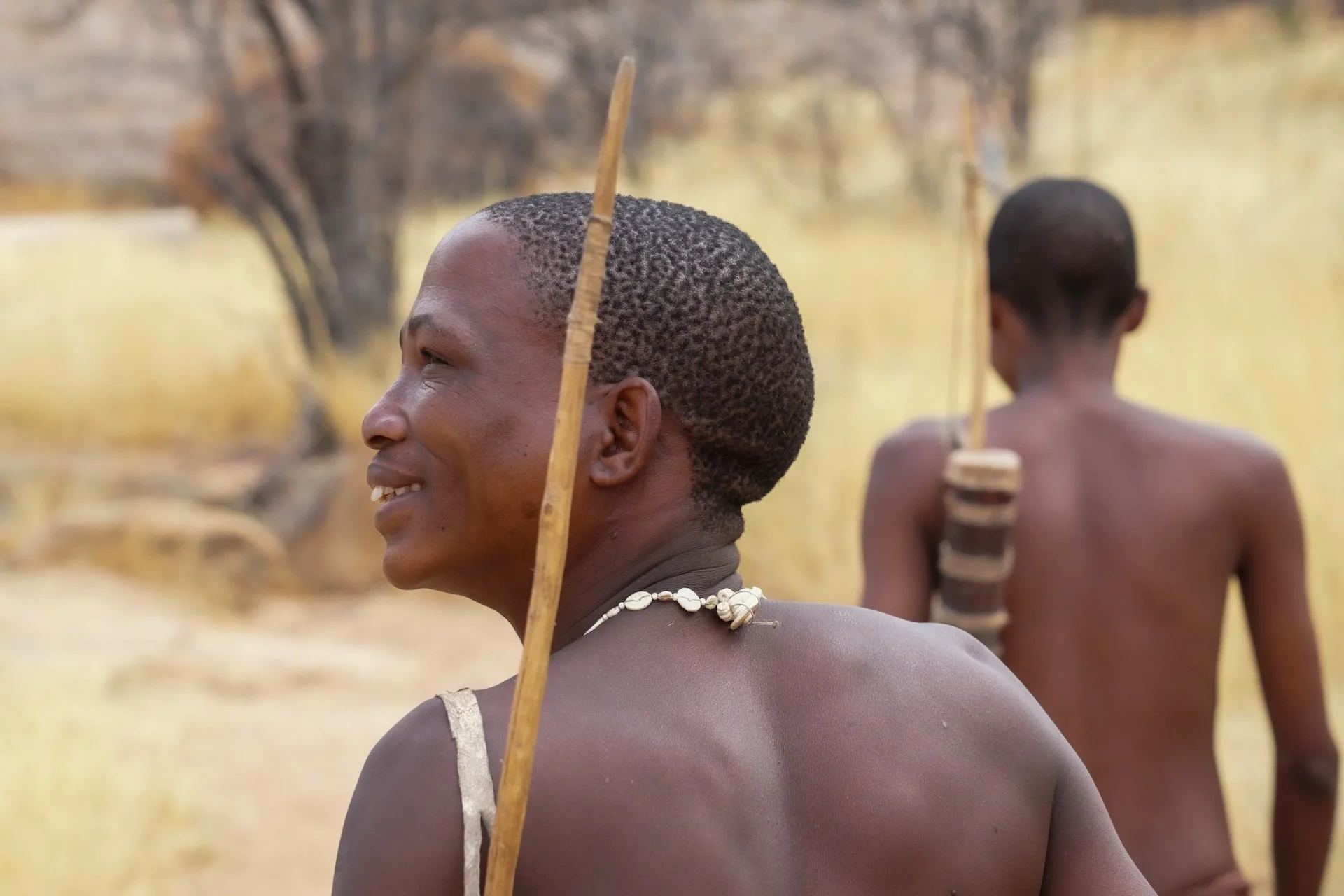
This is not a museum in the traditional sense, and it’s not something we present as entertainment. It’s a community-run cultural project where San people share tracking skills, ecological knowledge, tools, and stories that have shaped life in this landscape for tens of thousands of years. Much of what’s shared here still works—quietly, practically, and with deep intelligence tied to the land.
At the same time, we’re honest about the tension that exists. Any experience like this sits between preservation and performance, and that line can feel uncomfortable. We don’t shy away from that. Cultures are not static, and no one here is frozen in the past. This visit is not about nostalgia or reenactment—it’s about context.
We approach this stop thoughtfully and deliberately. Participation is optional, and the intent is reflective rather than celebratory. For those who choose to visit, it offers a deeper understanding of the land you’ve been moving through—how it was read, lived with, and survived long before roads, fences, or lodges existed.
From a RAID perspective, this isn’t a highlight to be consumed. It’s an opportunity to listen, ask better questions, and sit with complexity. That honesty matters—to our guests, and to the place itself.
The Strand Hotel
STRAND HOTEL SWAKOPMUND
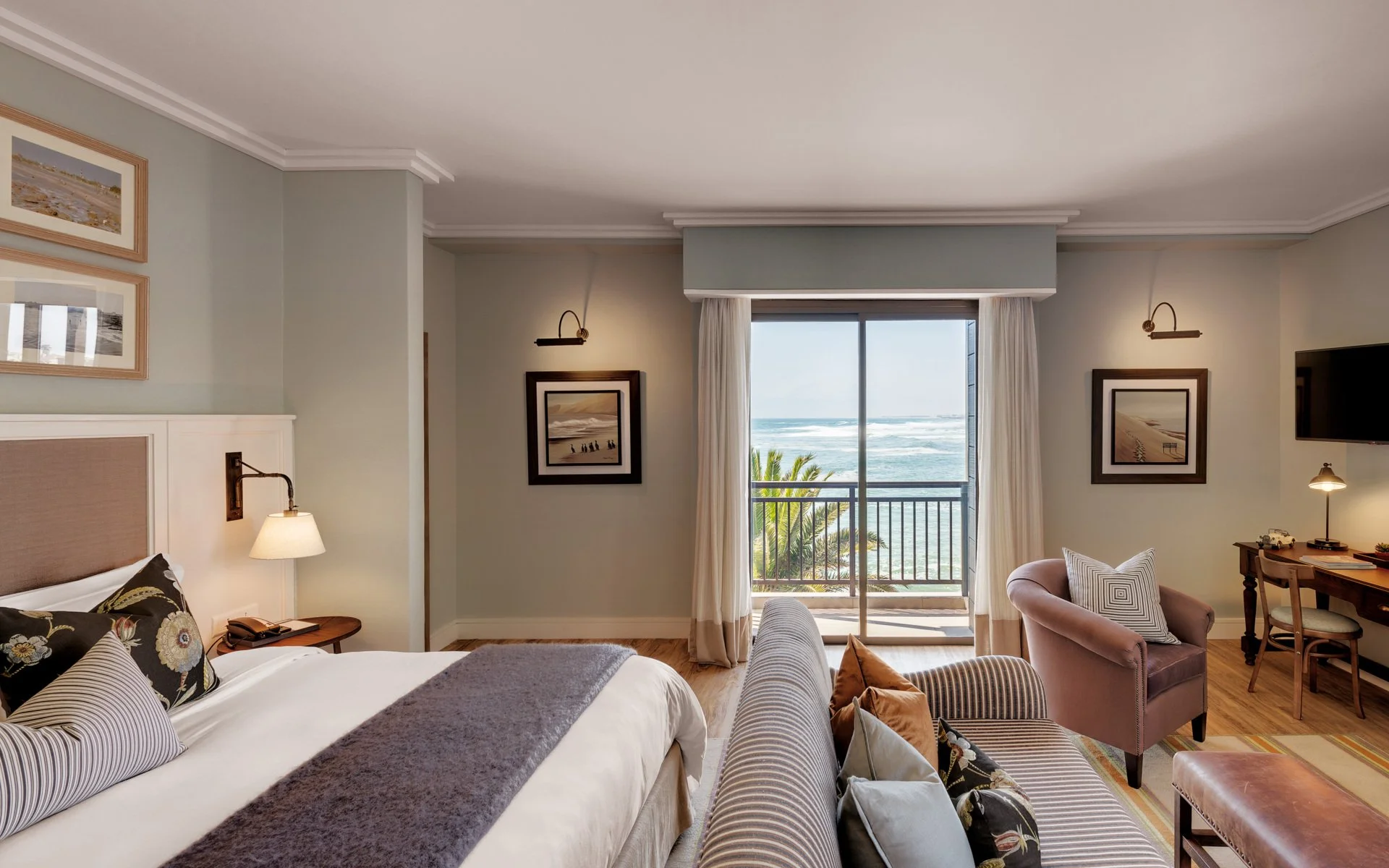
While the Strand Hotel is best known for its spectacular waterfront location, it is also part of a broader commitment to responsible Namibian tourism through the O&L Group. Their efforts focus on supporting local communities, sourcing Namibian products whenever possible, celebrating local artisans and craftspeople, and promoting sustainable hospitality practices that help preserve both Namibia’s cultural heritage and natural environment. While not a traditional conservation lodge, the Strand recognizes that tourism plays an important role in protecting what makes Namibia special—its landscapes, wildlife, people, and sense of place. LINK
Rooisand observatory
ROOISAND DESERT RANCH
Preserving More Than Wildlife Conservation takes many forms.
At RAID, we are drawn not only to places protecting wildlife, but also to those safeguarding something increasingly rare: space, silence, darkness, and a genuine connection to the natural world.
Rooisand Desert Ranch is one such place.
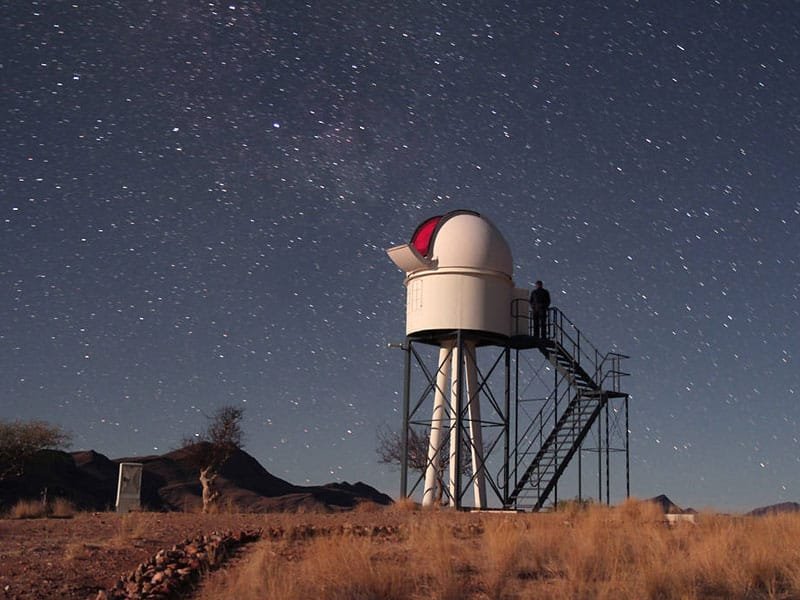
Situated deep within Namibia’s Khomas Highlands, Rooisand protects a vast, undeveloped landscape where the rhythms of nature still prevail. There are no crowds, no busy roads, and little evidence of the modern world. Wildlife moves freely across the surrounding valleys and mountains, while some of Africa’s darkest night skies stretch overhead.
The ranch has become a steward of these extraordinary conditions through its commitment to low-impact tourism and astronomy. Its observatory and dark-sky initiatives help preserve an experience that is becoming increasingly difficult to find elsewhere—a night free from artificial light, where the Milky Way casts shadows and the scale of the universe feels tangible.
By supporting places like Rooisand, we help ensure these landscapes remain intact for future generations of travelers, cyclists, scientists, and dreamers alike. LINK
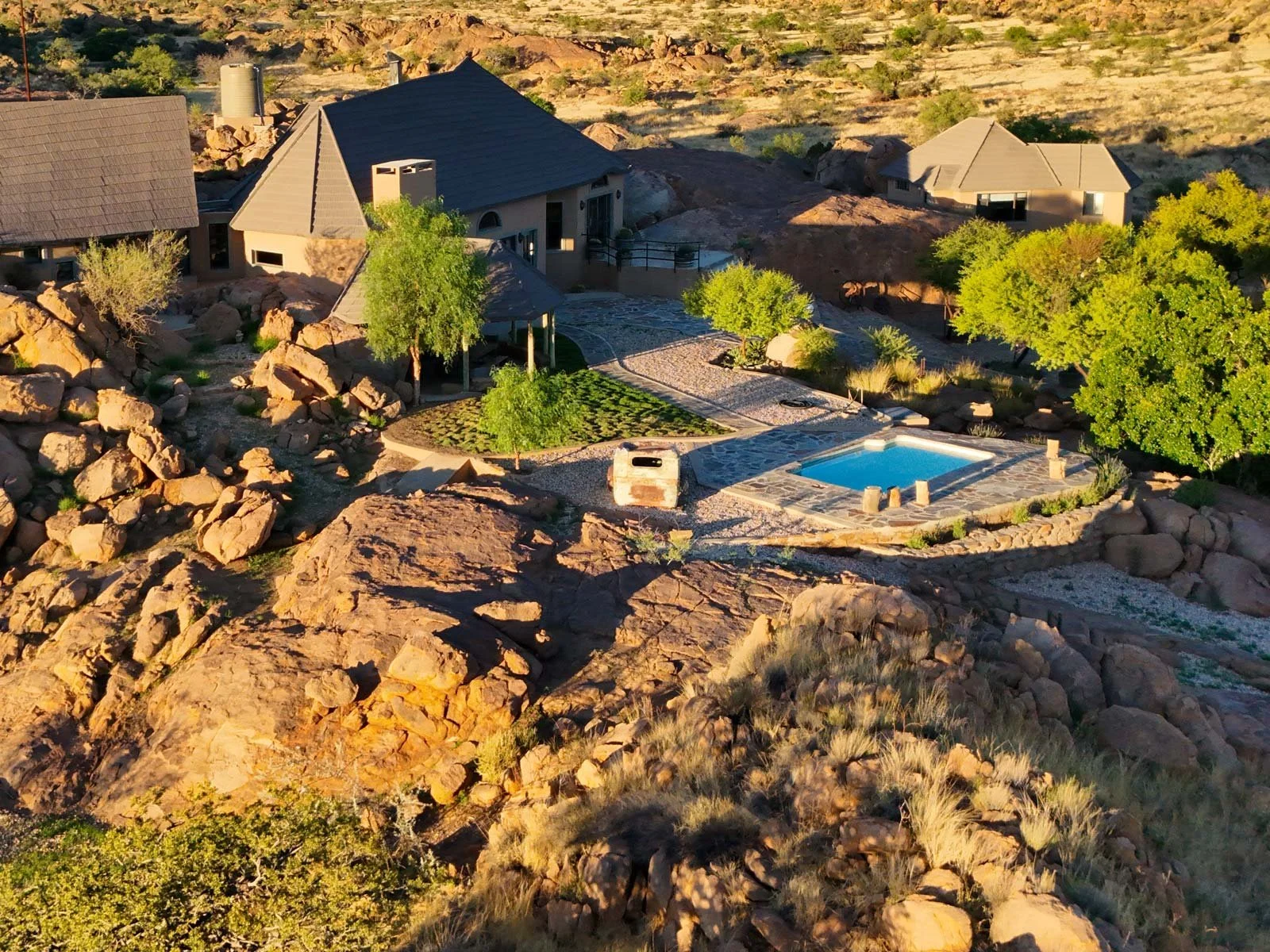
Namibgrens Guest Garm
NAMIBGRENS GUEST FARM
Namibgrens sits exactly where its name suggests—on the edge of the Namib.
Perched high in Namibia’s Khomas Highlands at nearly 1,850 meters above sea level, this historic guest farm occupies one of the most dramatic transition zones in the country. To the west, the land falls away toward the ancient Namib Desert. To the east, rolling highlands stretch toward Windhoek. It is a place of enormous skies, cool mountain air, and views that seem to continue forever.
The original farmhouse dates to 1928, reflecting Namibia’s farming heritage and the pioneering spirit of those who settled these remote highlands. Today, Namibgrens remains a working property where hospitality feels personal, authentic, and deeply connected to the landscape.
What draws us here, however, is not luxury. It’s stewardship.
Namibgrens protects a vast tract of highland habitat where wildlife still moves freely across the mountains, valleys, and open plains. The property’s approach to conservation is quiet and practical, focused on preserving the integrity of the land itself. Low-impact tourism, responsible land management, and the protection of native ecosystems ensure that this remarkable landscape remains intact for future generations.
The result is something increasingly difficult to find in the modern world. LINK
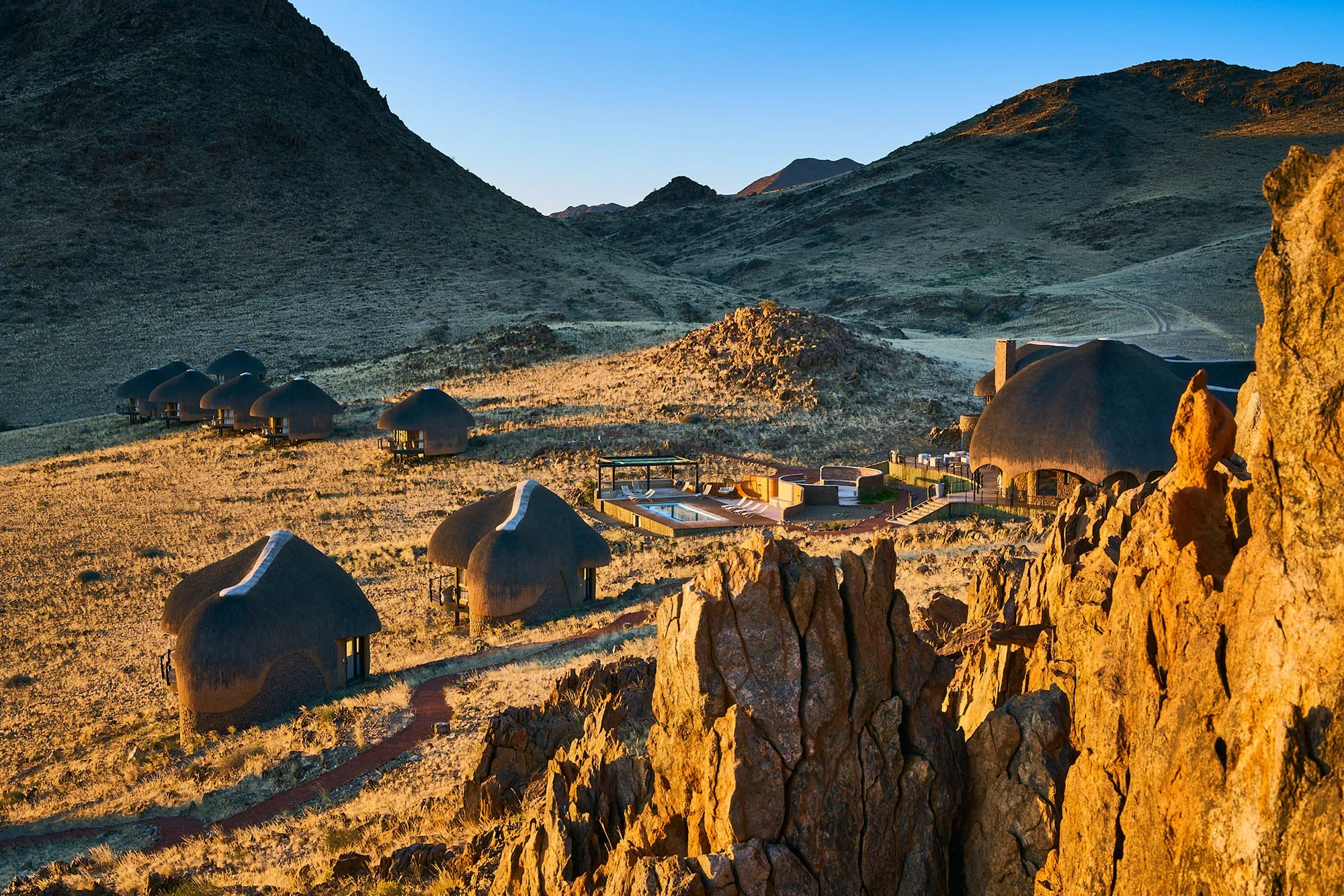
Desert Hills
Desert Hills Lodge
If there is a signature property on this journey, it is Desert Hills Lodge.
Perched atop a rocky outcrop in the heart of the Namib, the lodge commands sweeping views across one of the oldest deserts on Earth. As the sun drops, the landscape catches fire—gold becomes orange, orange becomes red, and the surrounding mountains glow against an endless horizon.
The architecture is unlike anything else in Namibia. The lodge’s distinctive dome-shaped chalets were inspired by the traditional grass dwellings of the San people and built from stone, thatch, and desert-colored materials that blend naturally into the surrounding landscape. Rather than sitting on the hillside, they seem to grow from it.
What we appreciate most is the property’s respect for place. Desert Hills embraces a low-impact approach that allows the Namib itself to remain the star of the show. The architecture, the views, and the experience all point in the same direction—outward, toward the desert. This is not a place that competes with the landscape. LINK
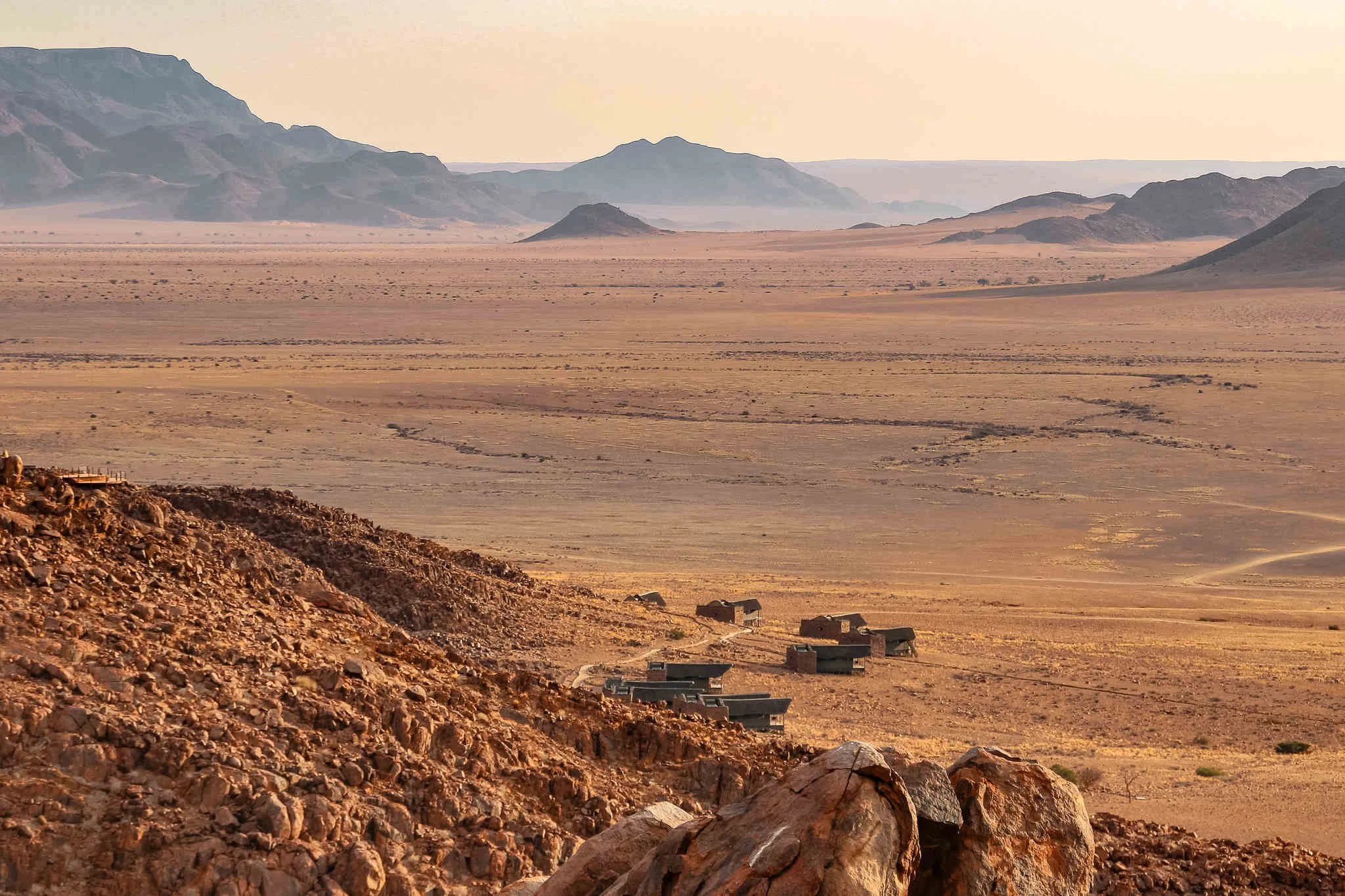
Desert Homestead
Desert Homestead Lodge
Perched on the edge of the Namib Desert, Desert Homestead is our gateway to one of the most extraordinary landscapes on earth. Located within the vast Namib Tsaris Conservancy and just minutes from Namib-Naukluft National Park, it is the ideal base for exploring the iconic dunes and salt pans of Sossusvlei.
The setting feels wonderfully remote. Red sand, rugged mountains, and endless horizons stretch in every direction, while comfortable guest cottages, an expansive pool, and a welcoming terrace provide a welcome place to unwind after a day in the saddle.
As the sun drops behind the mountains, the desert begins to glow. By night, some of the darkest skies on earth reveal a canopy of stars rarely seen elsewhere.
Powered entirely by solar energy and committed to sustainable practices, Desert Homestead reflects the thoughtful stewardship that defines many of the places we visit throughout Namibia.
More than a lodge, it is a front-row seat to the Namib itself. LINK