NAMIBIA
Safari 4x4: Namib Edition
DATES - 12 Days
JUNE 7 - 18 2027
PRICE PER PERSON
TBD
DRIVING DISTANCE 1,500-1,700 MI
ROAD SURFACE
450 mi Paved
950 mi Gravel
HOURS DRIVING
30-40
Max. 16 participants
4 - 5 per vehicle
Click on the above Map to see the entire route
Namibia
Vast. Elemental. Unforgettable.
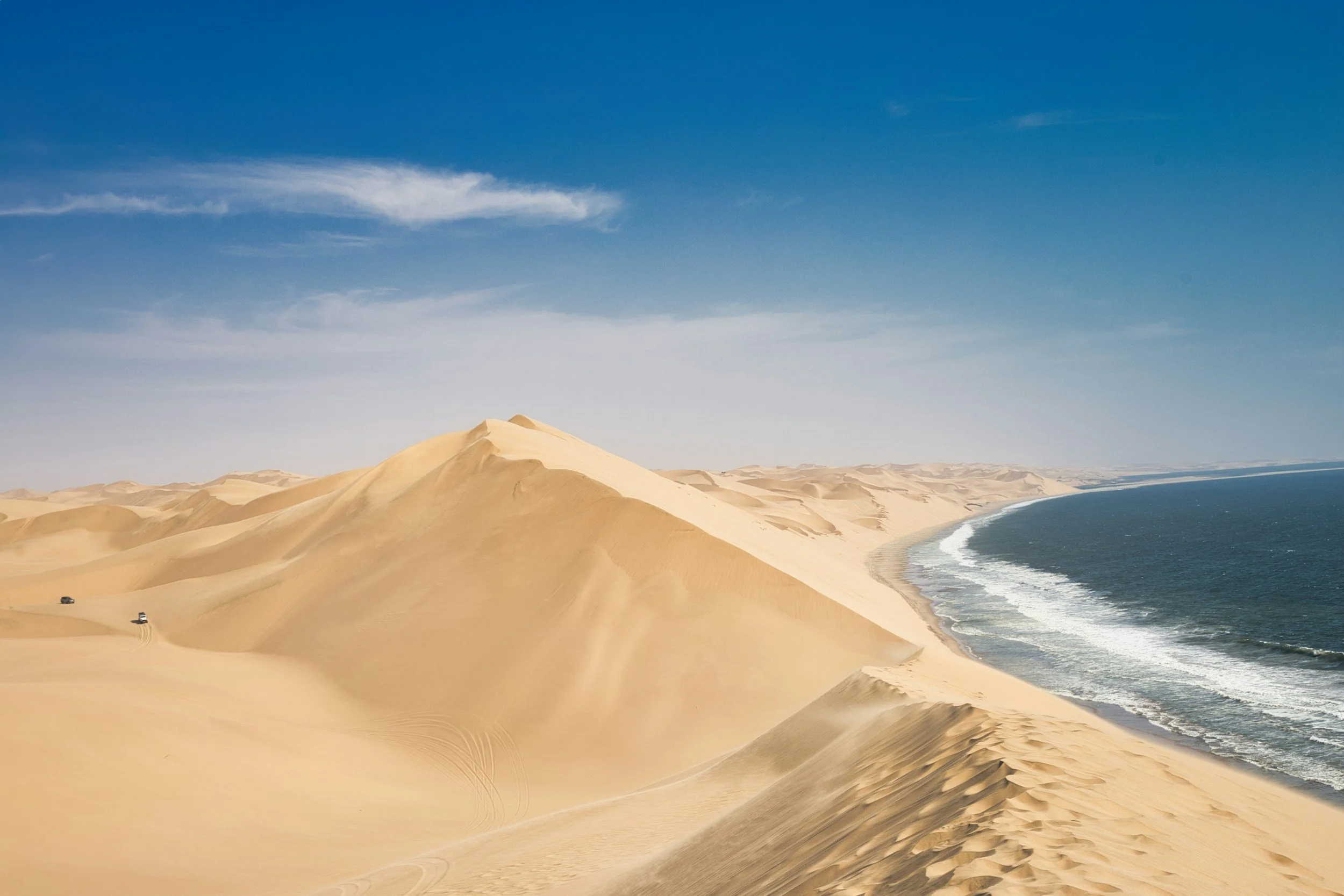
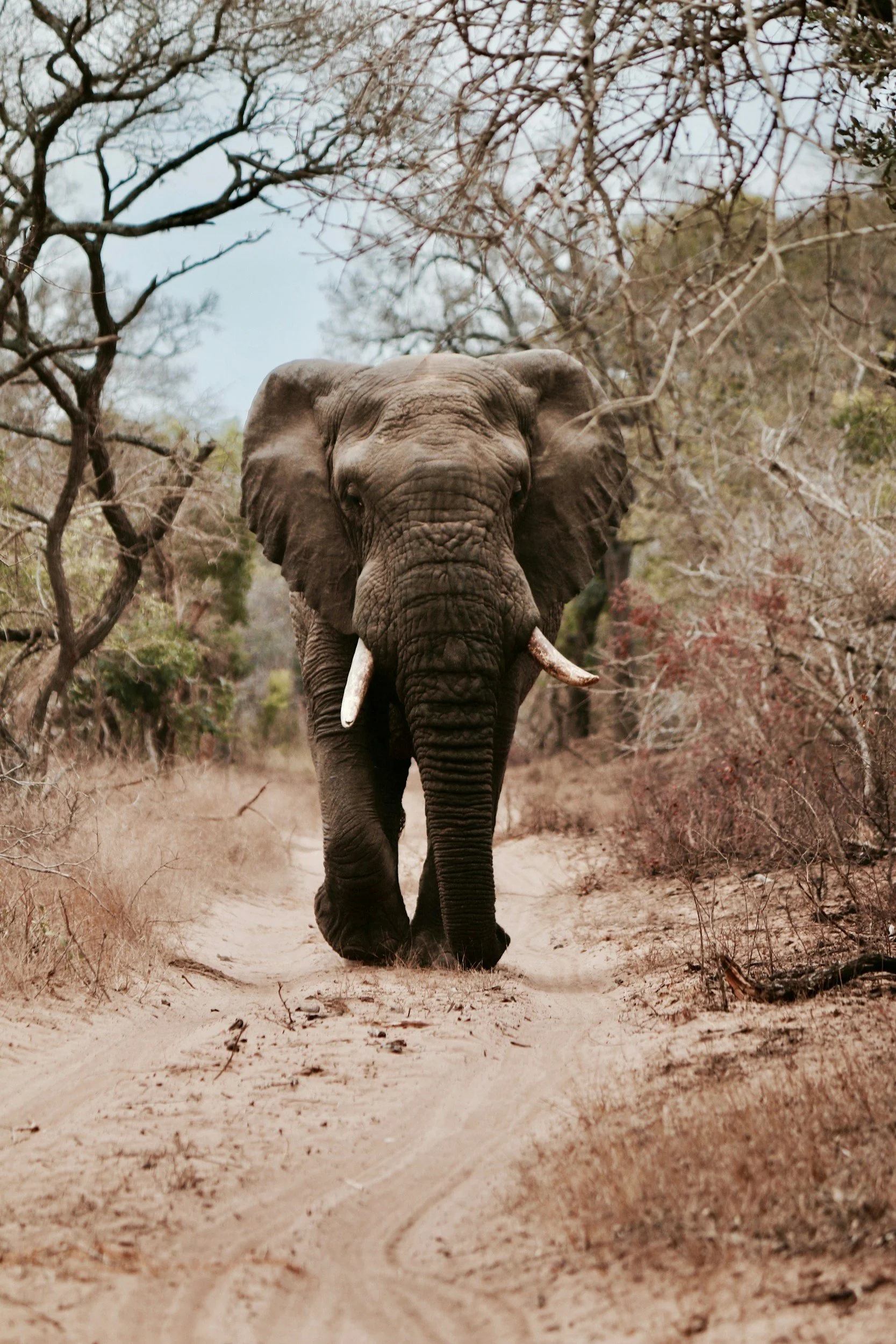
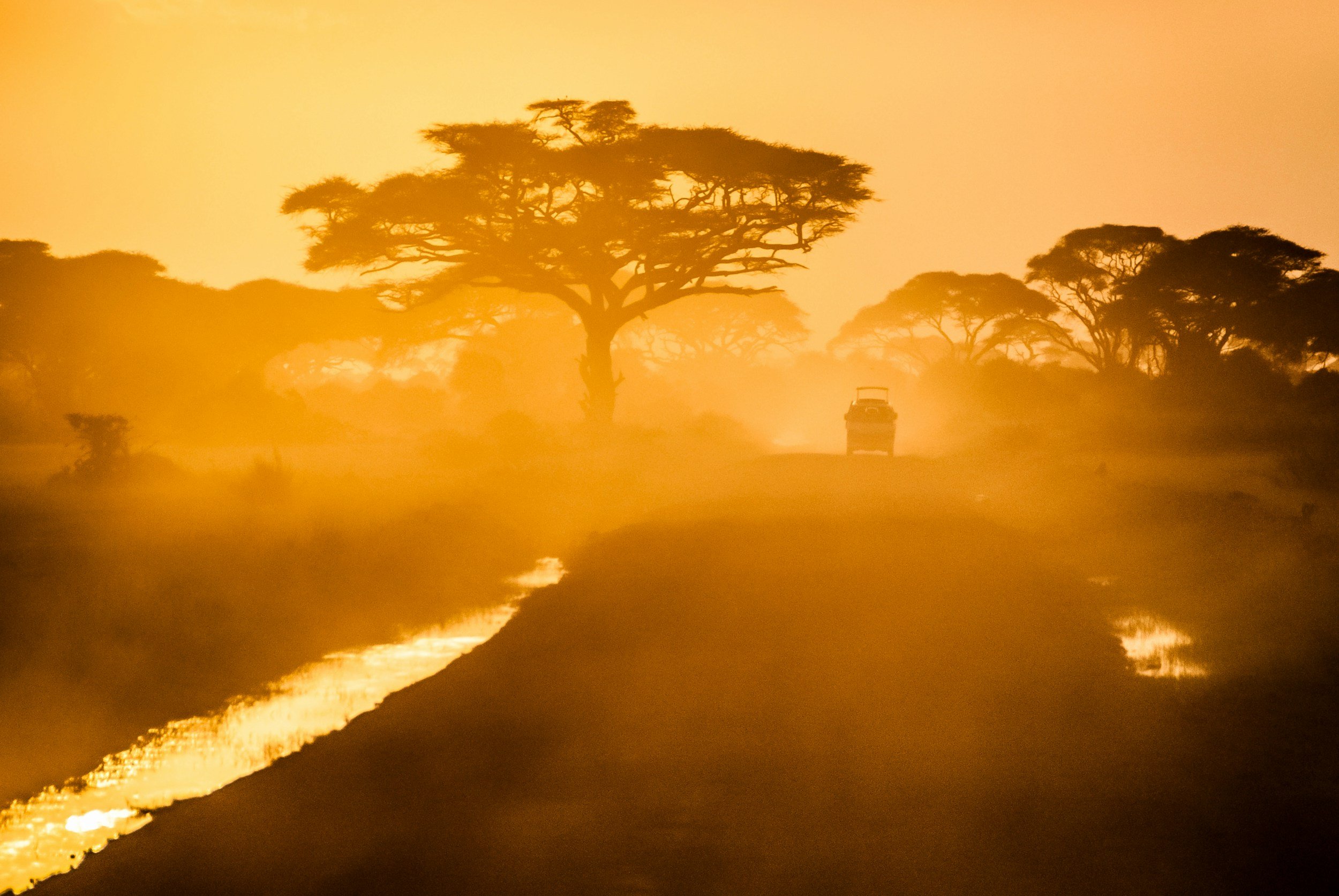
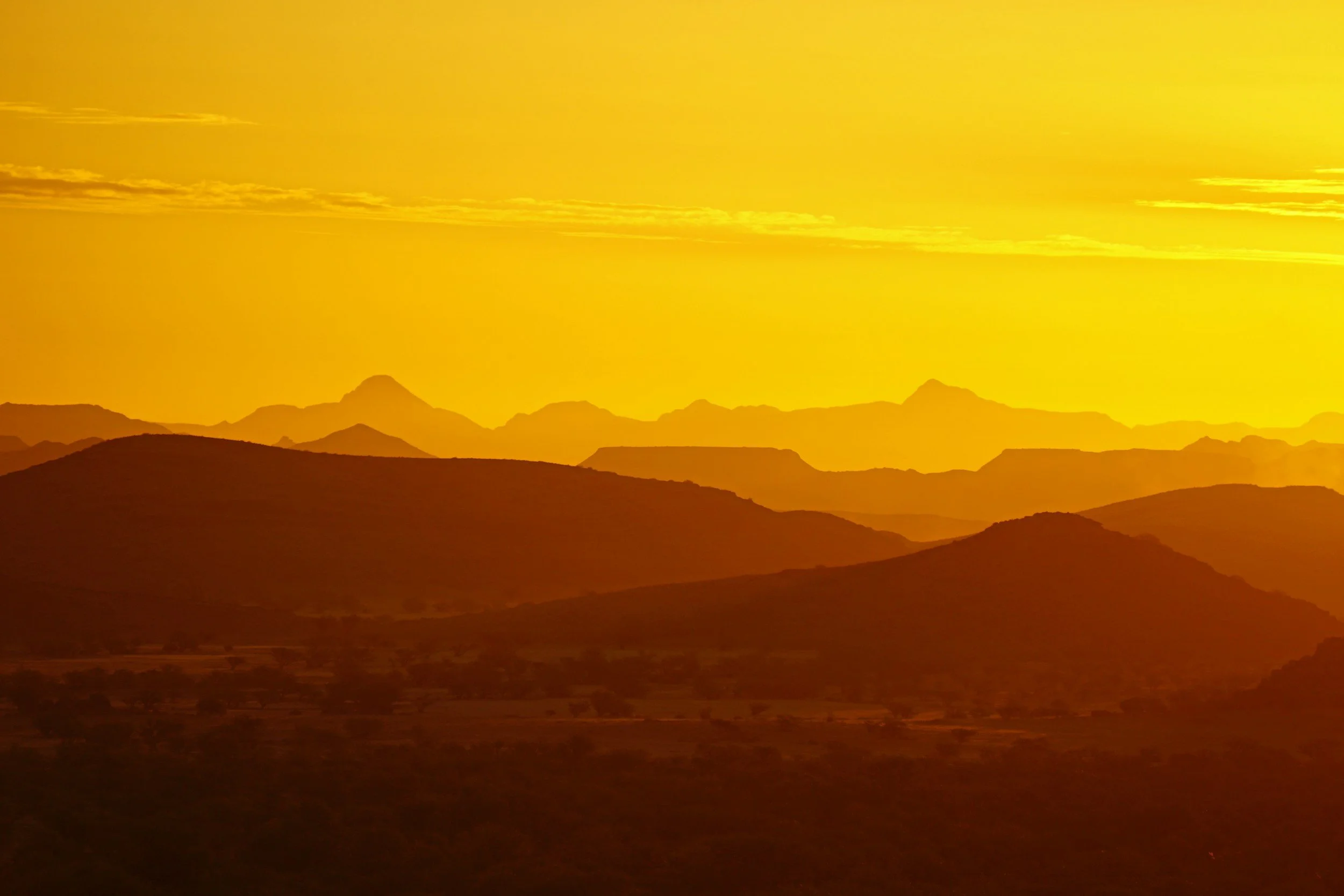
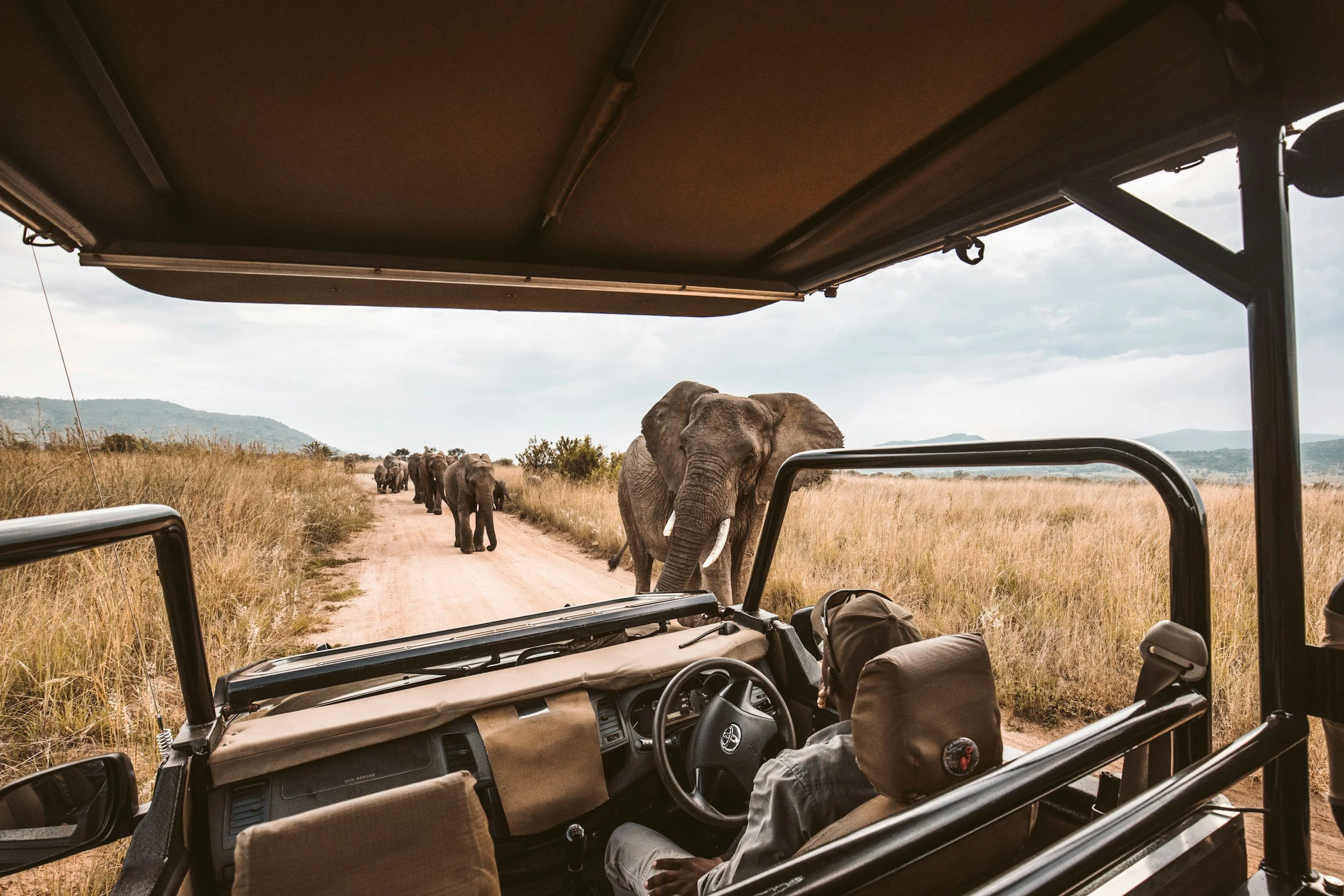
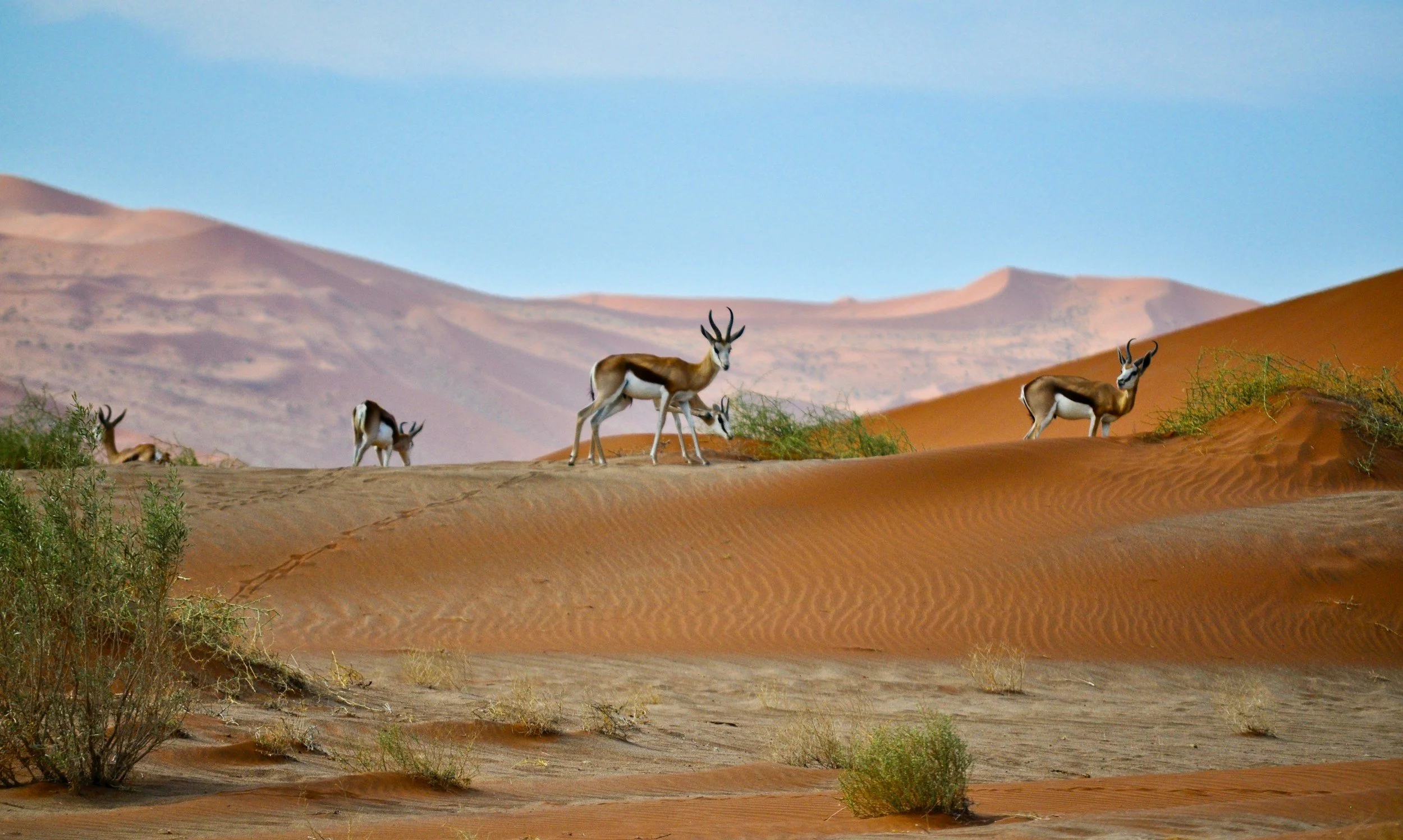
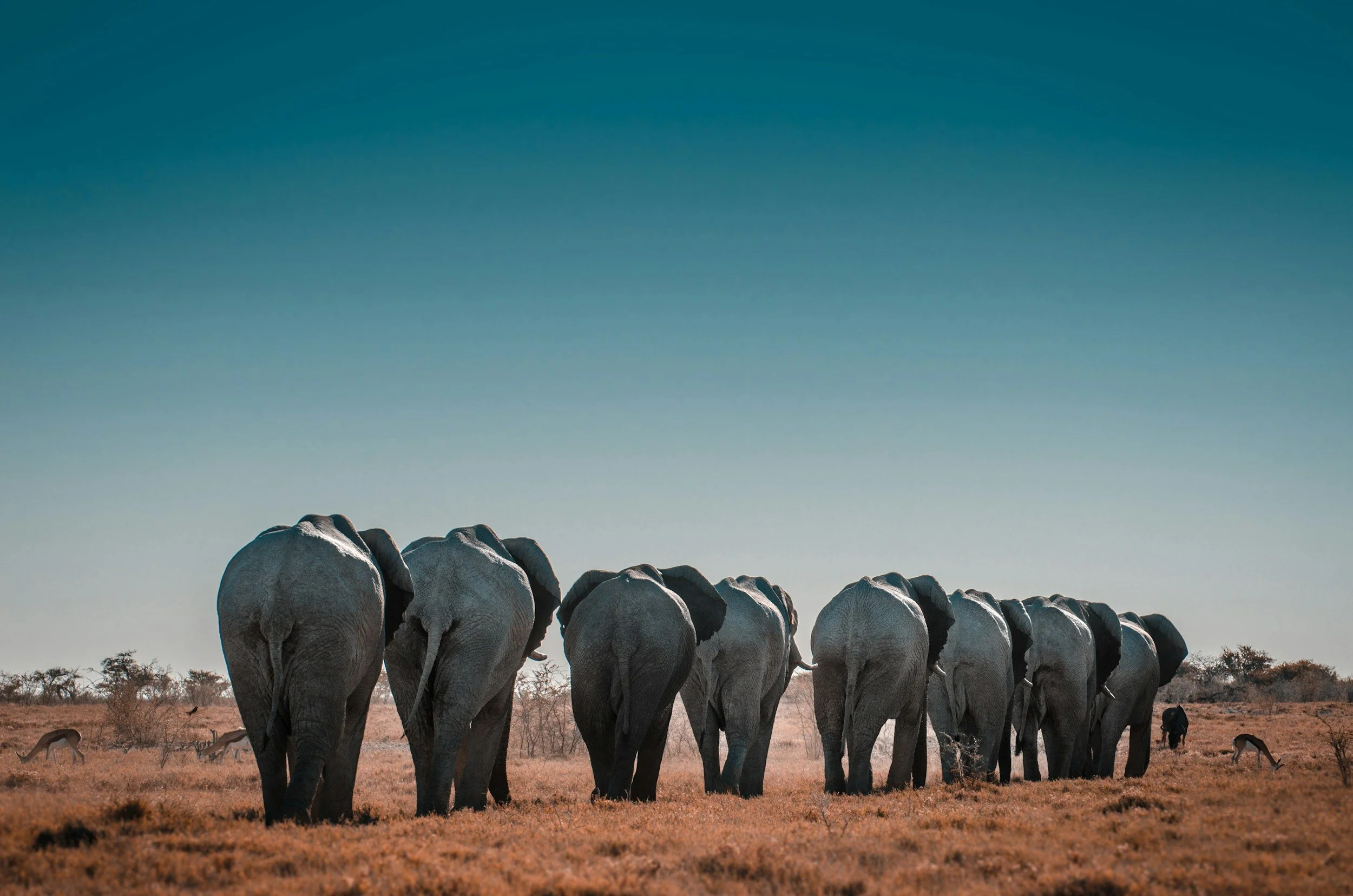
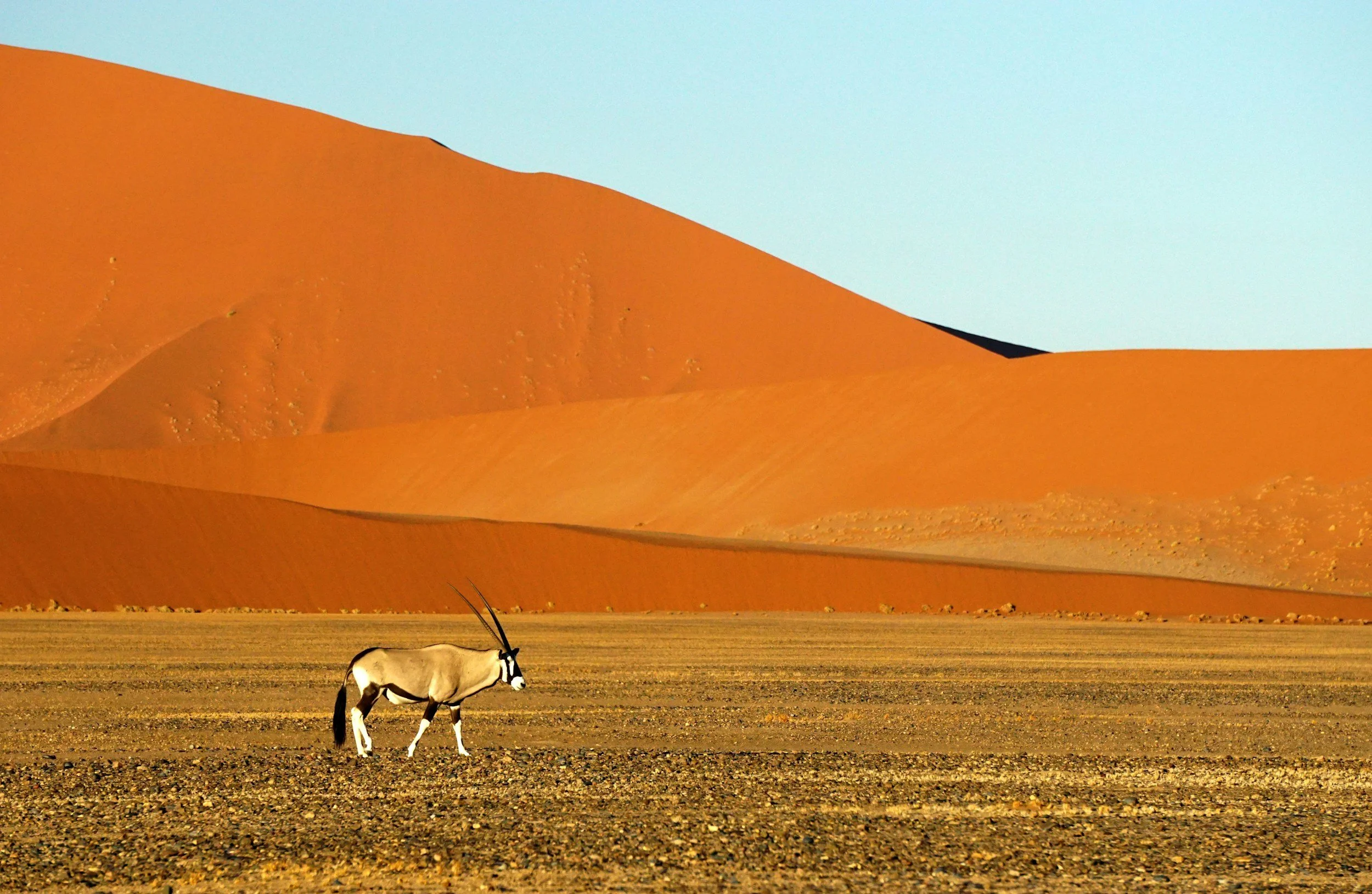
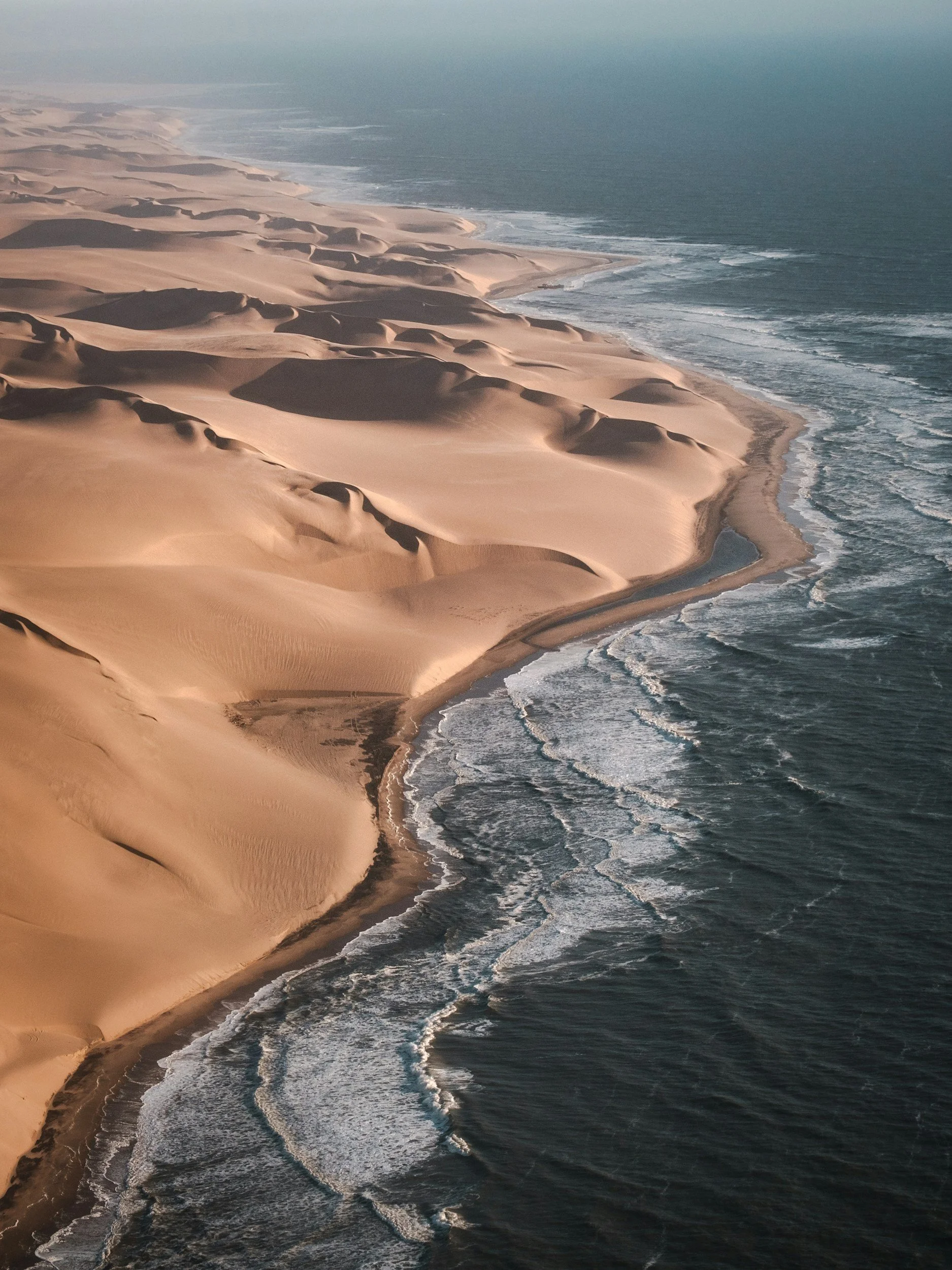
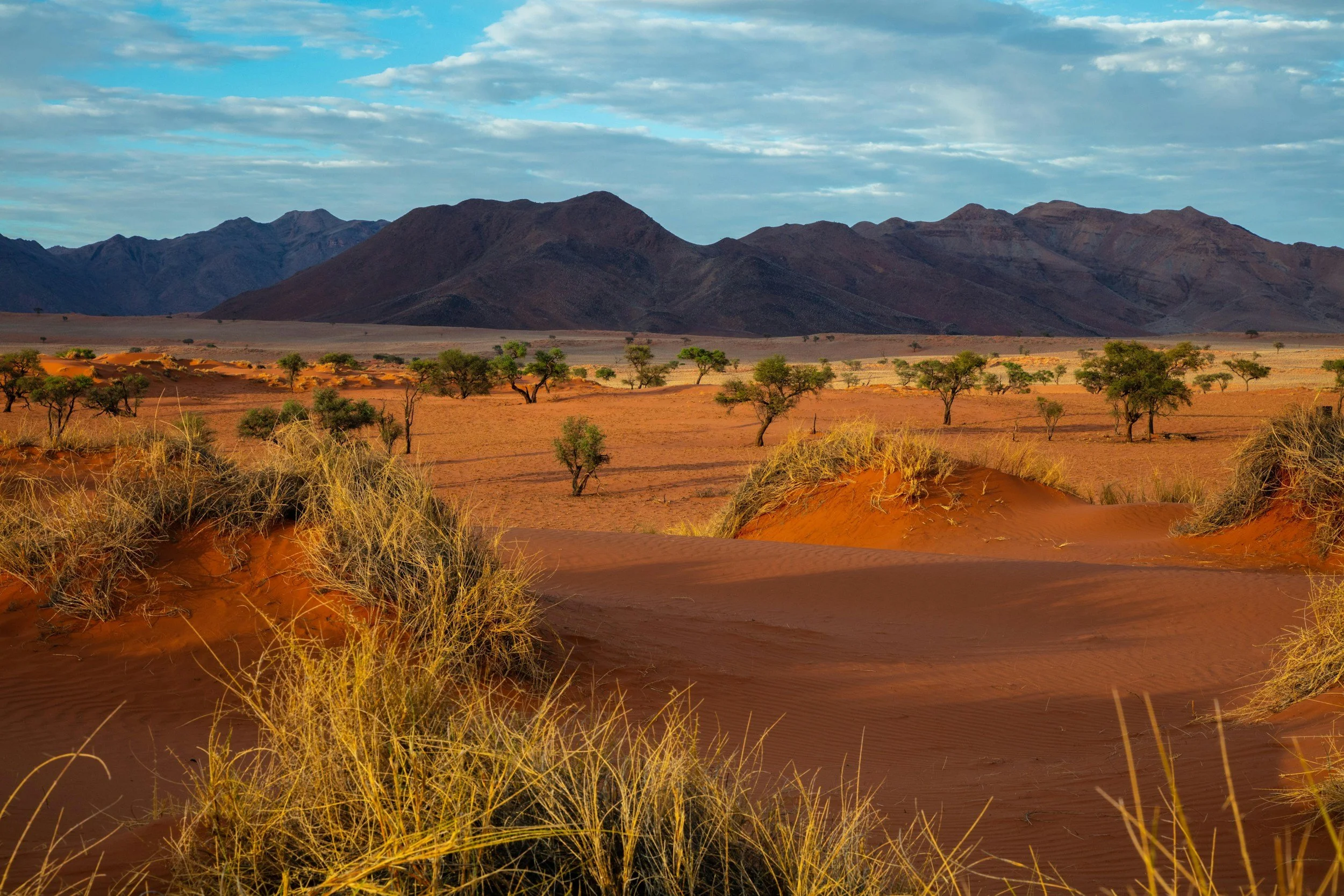
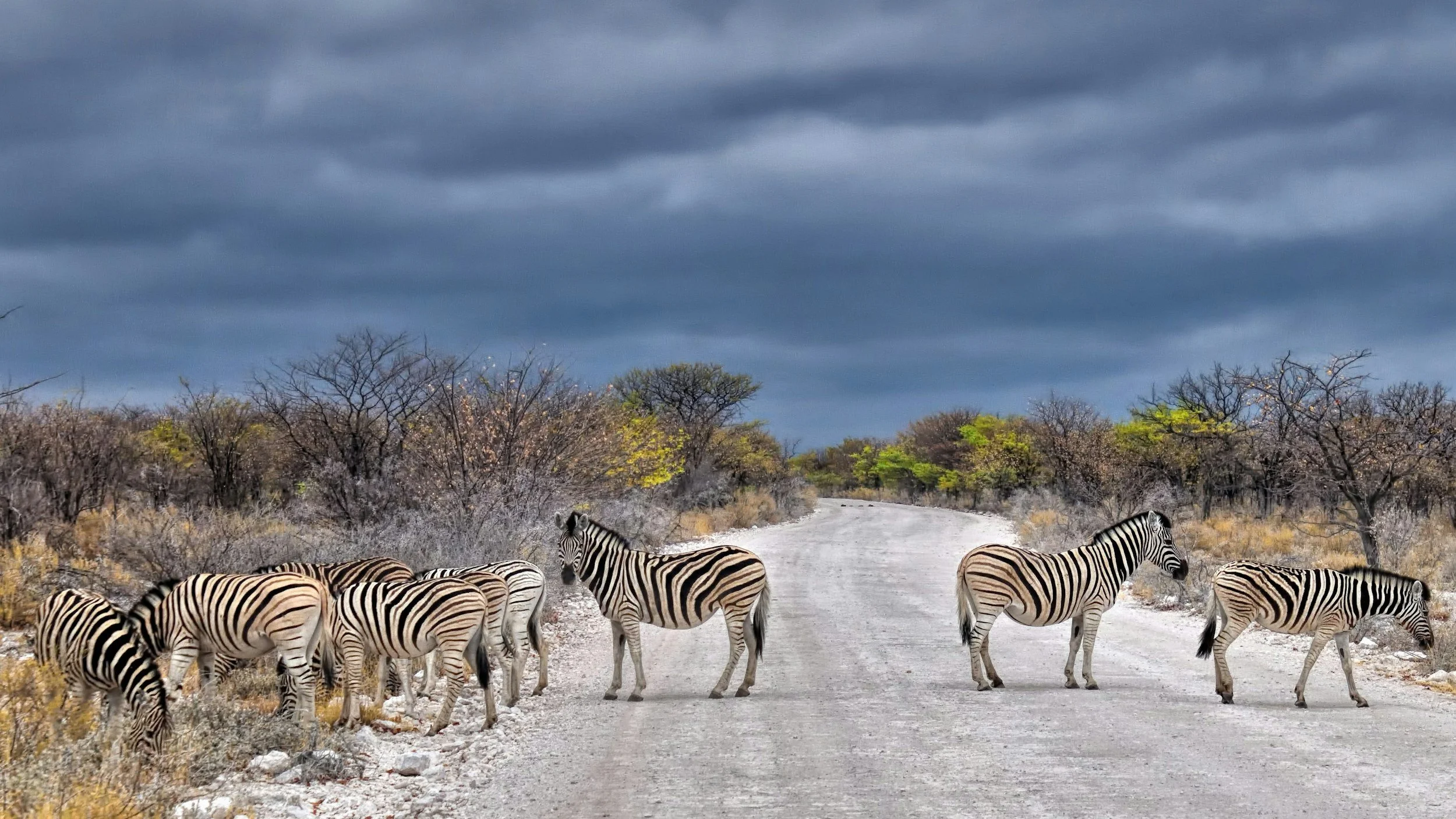
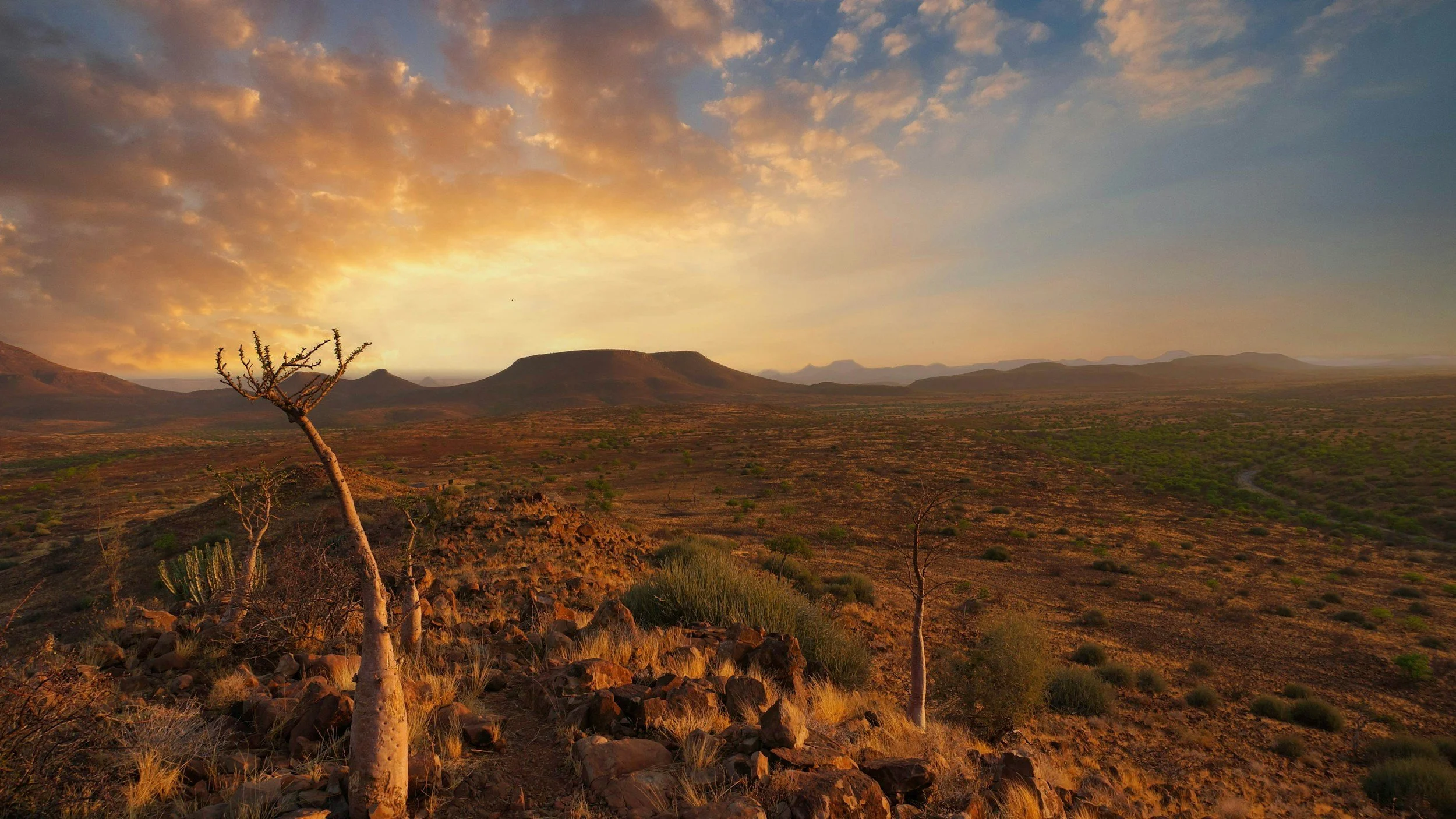
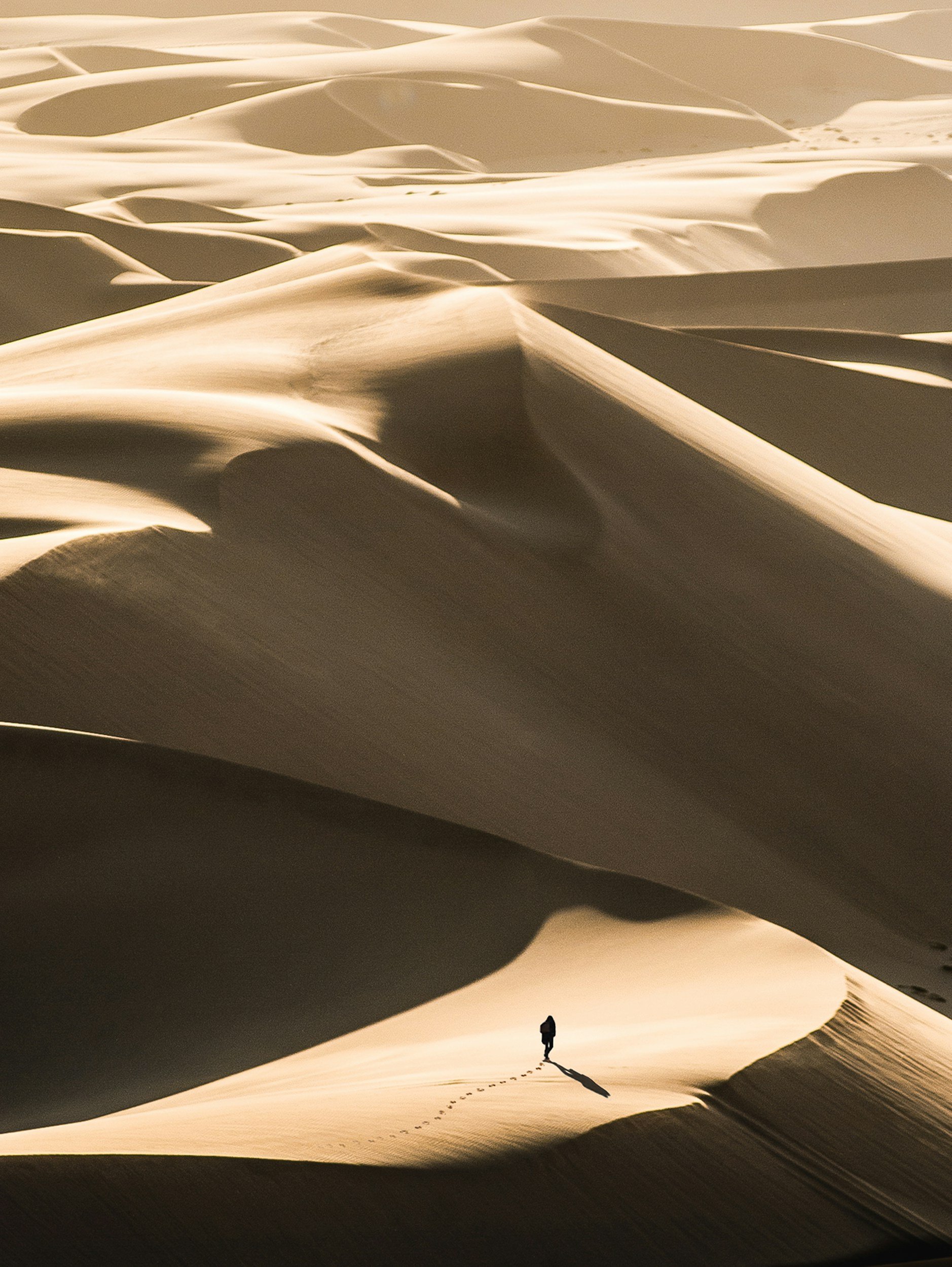
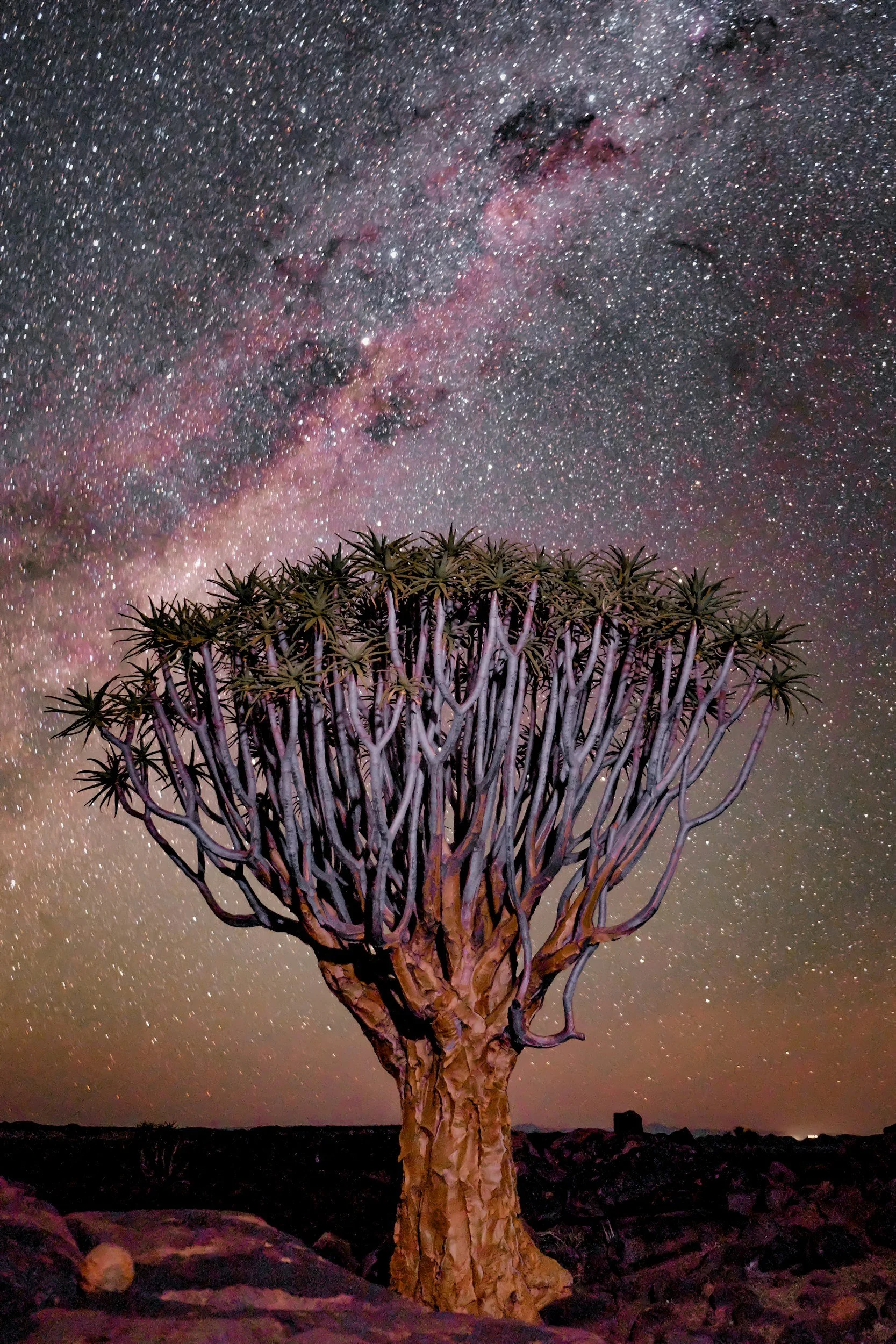
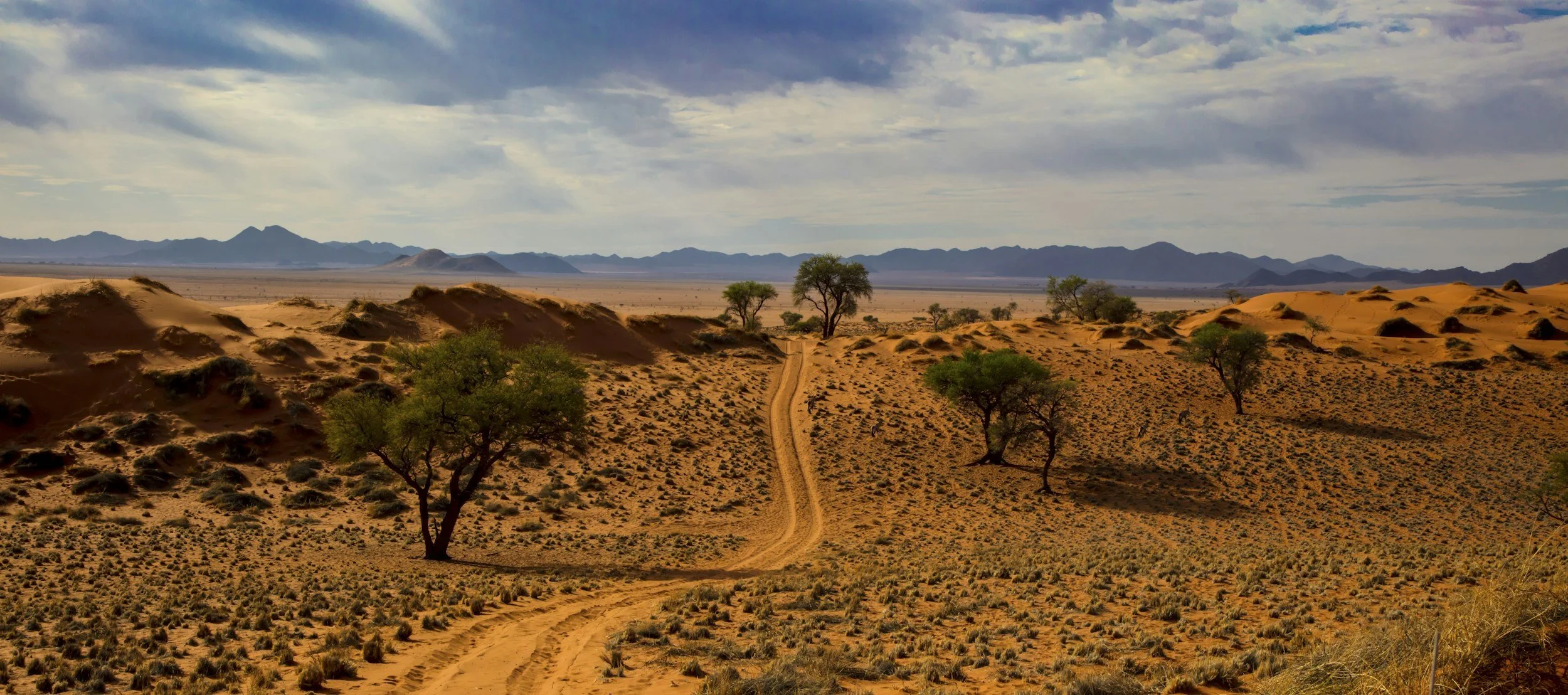
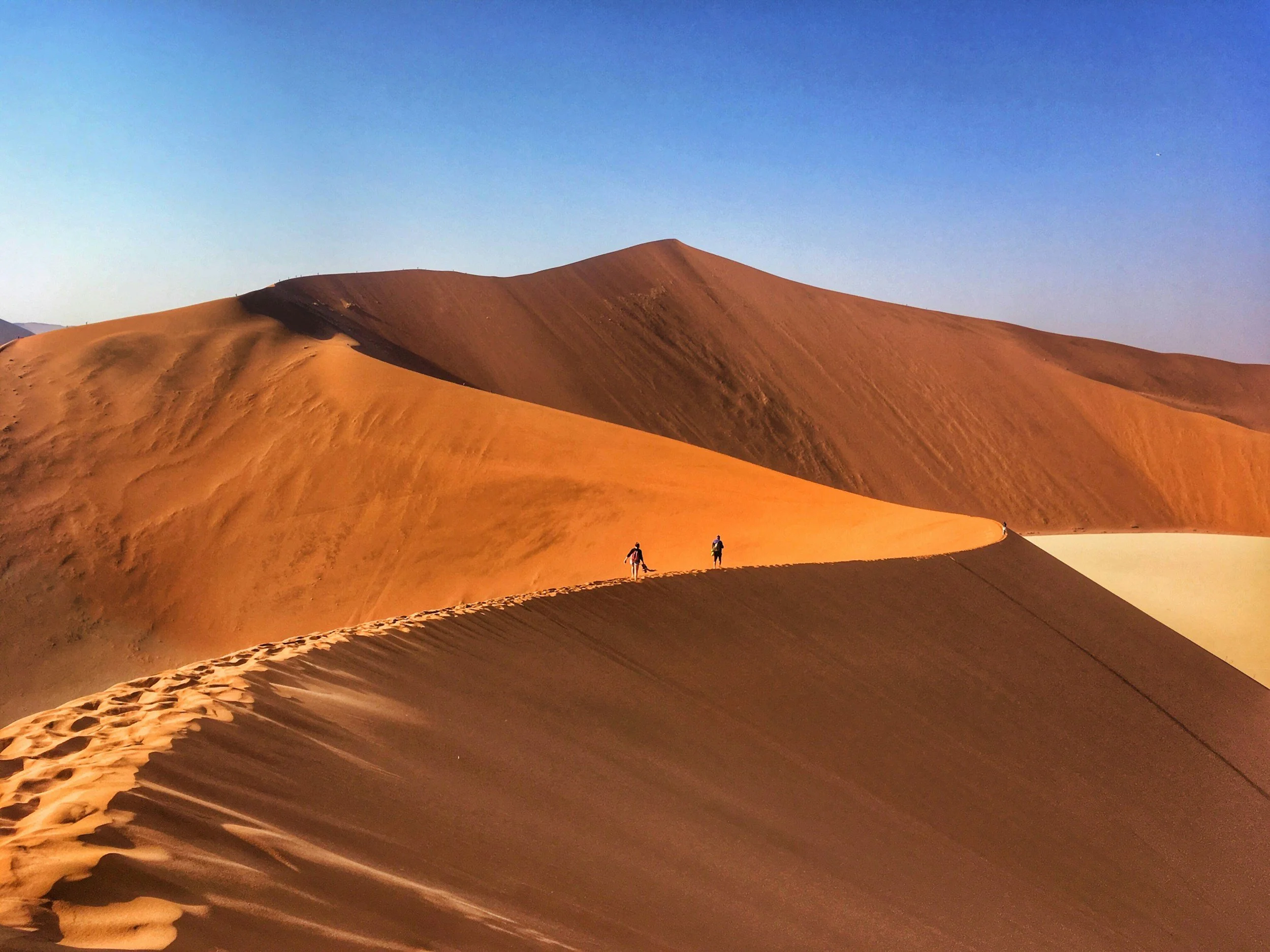
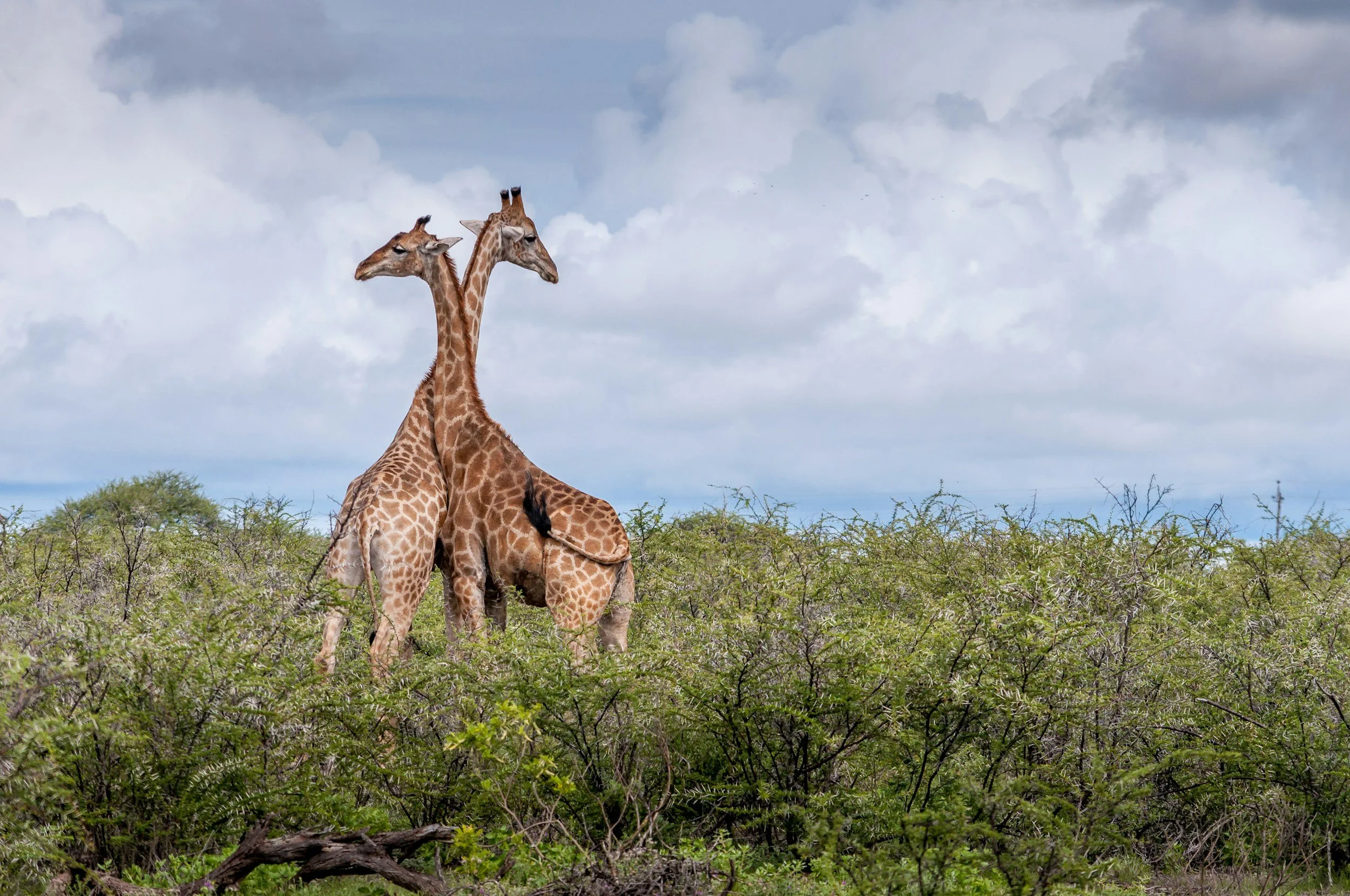
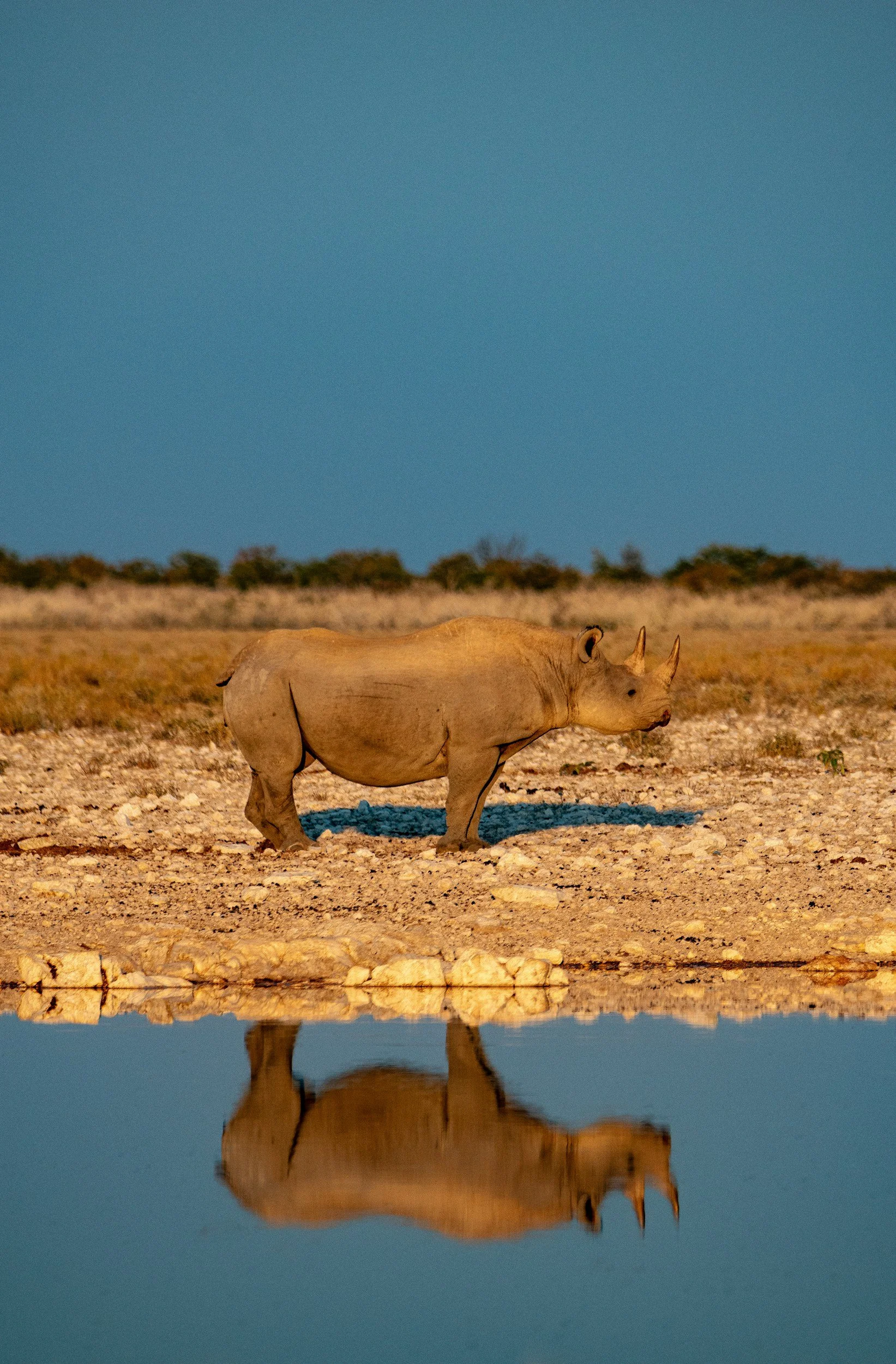
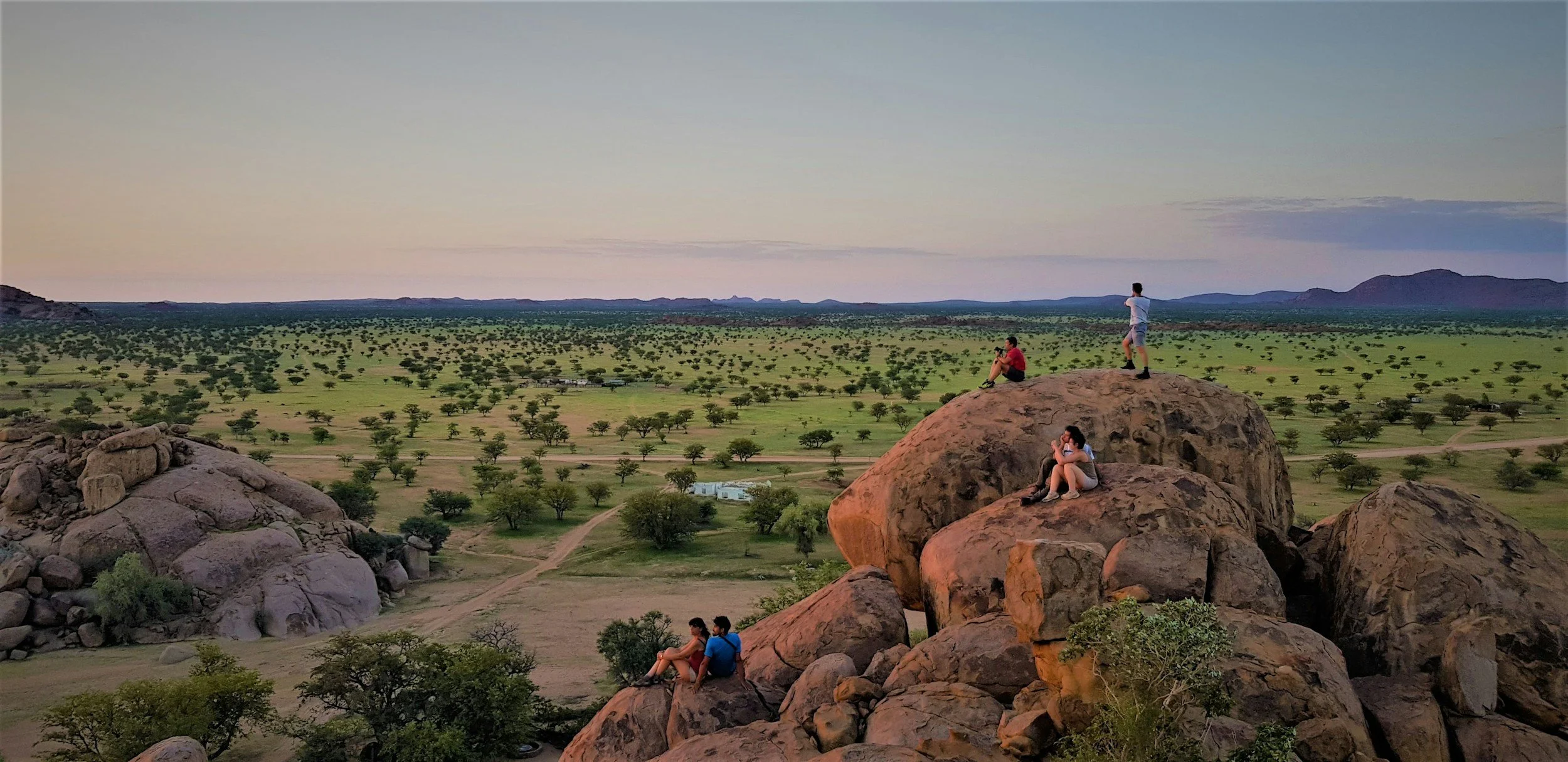
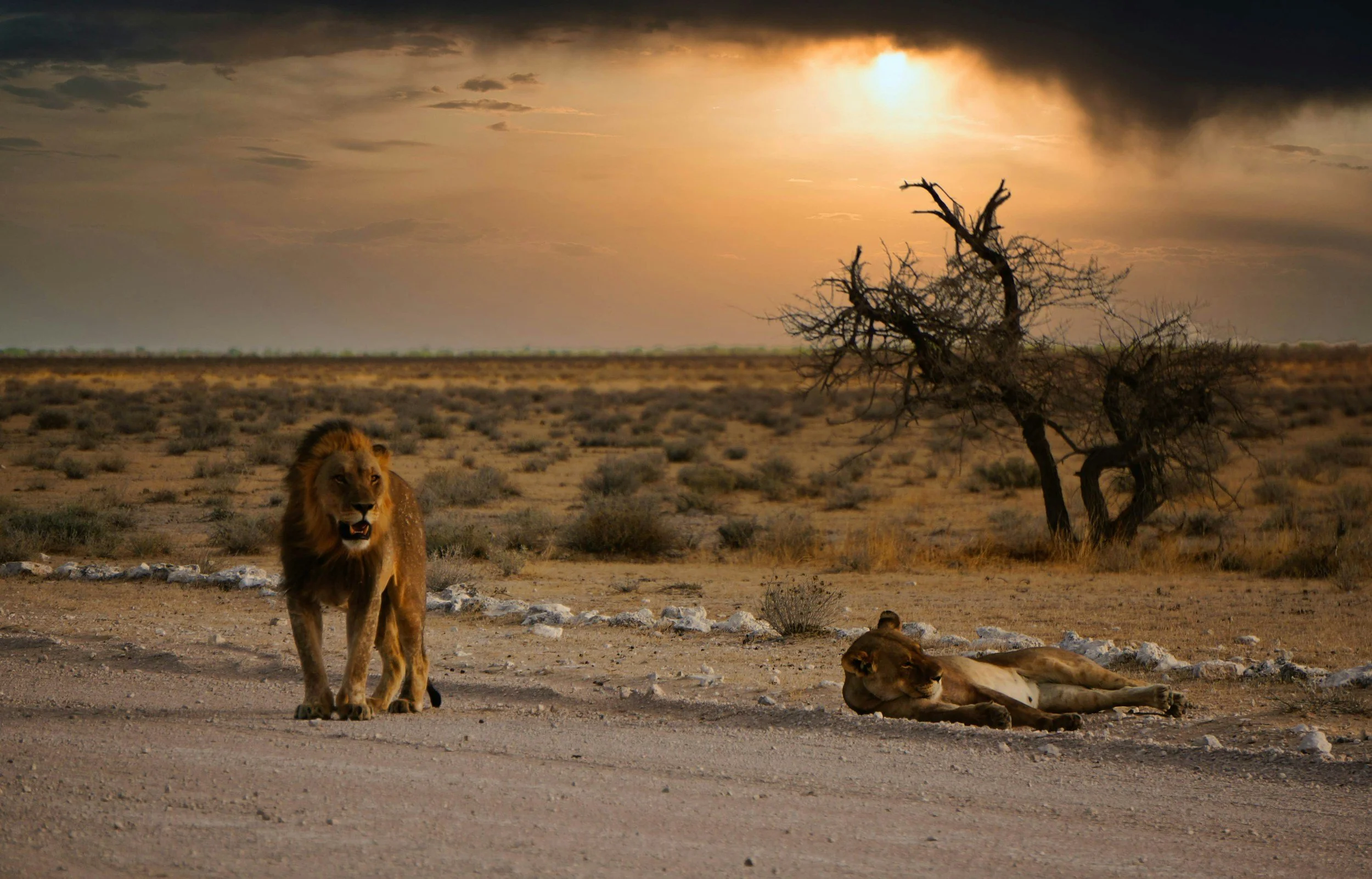
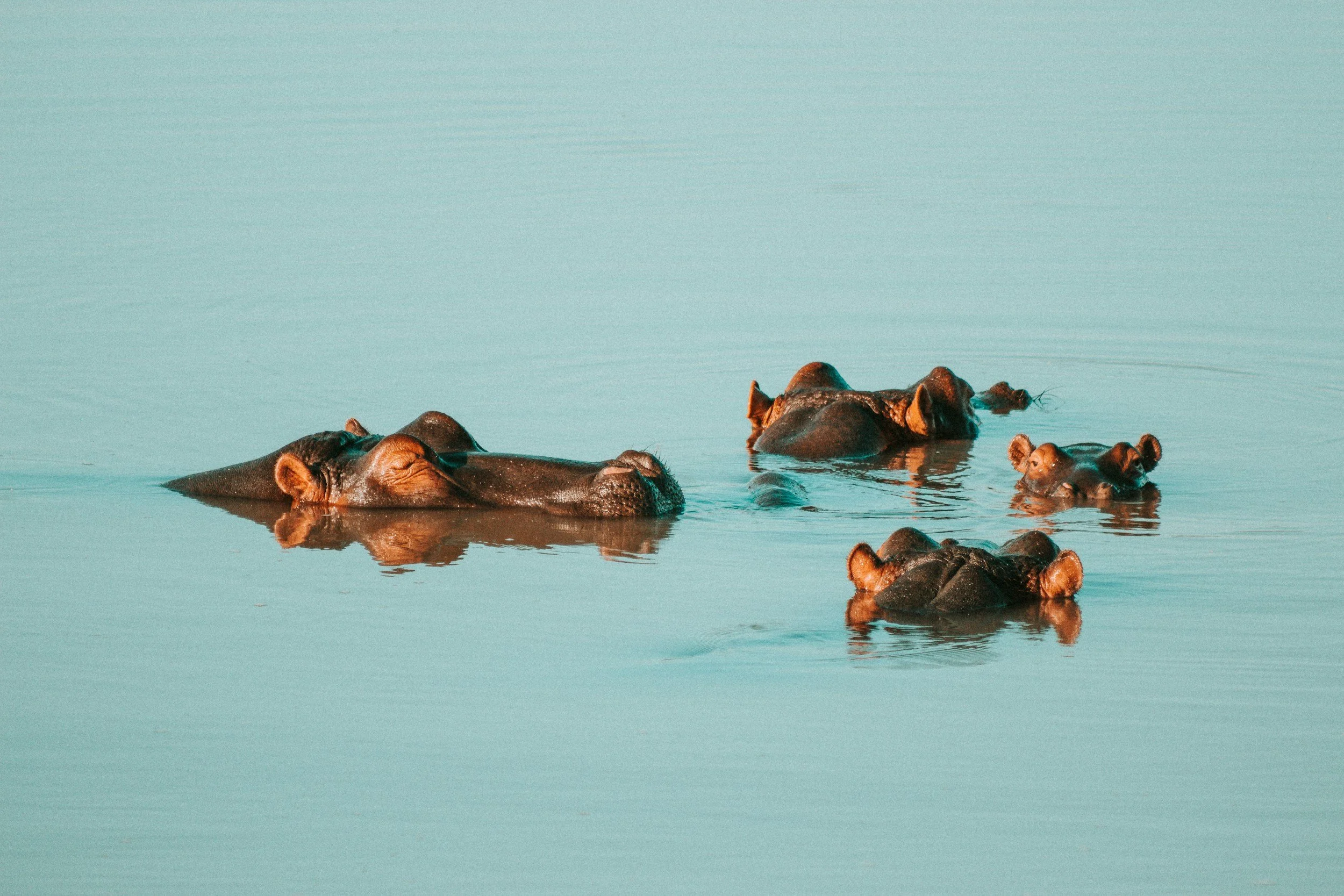
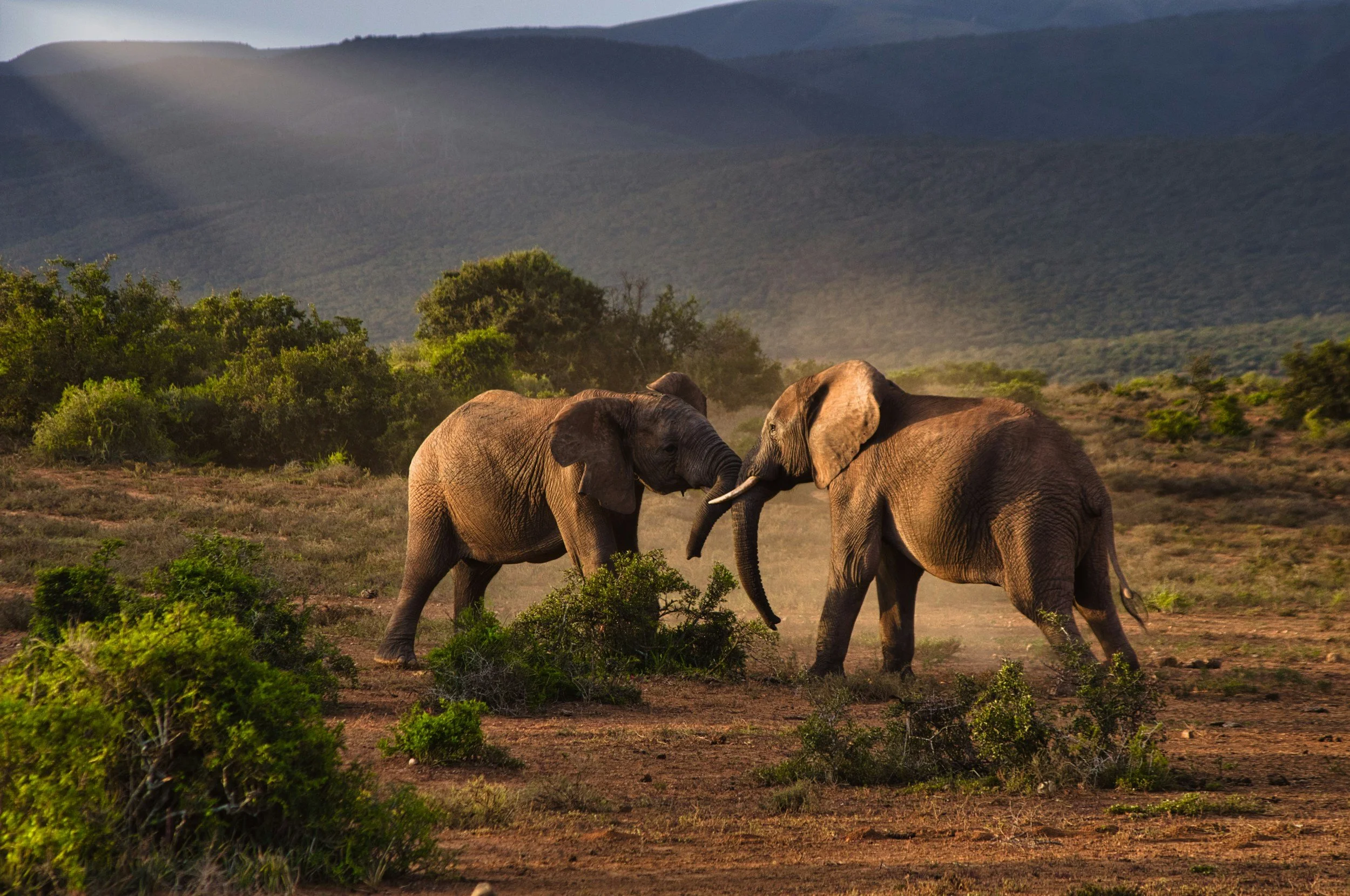
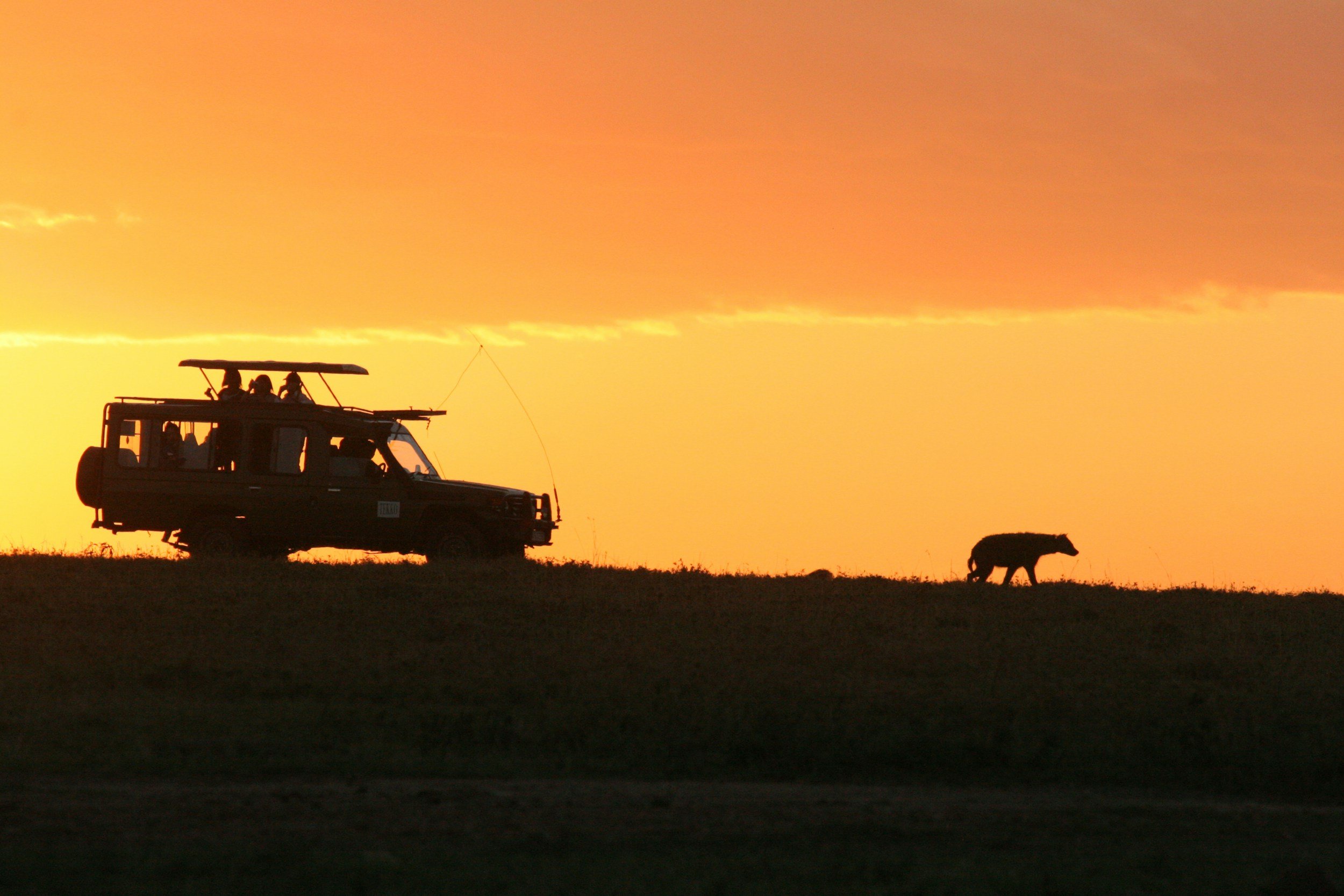
Namibia is not a destination you simply visit — it’s one you move through. Namibia is vastness made visible — towering dunes, crashing Atlantic surf, desert light that shifts from deep crimson to gold by the hour. It is home to the oldest desert on earth, some of the darkest night skies anywhere in the world, and landscapes so expansive they recalibrate your sense of distance. We move through it the way it was meant to be experienced: behind the wheel of capable 4x4 vehicles, four per car, traveling together in convoy across open gravel roads, desert plains, and along the Skeleton Coast where mist rolls in from the ocean. At Sossusvlei, the world’s tallest dunes rise and fall in sculpted waves. Along the coast, ancient river systems sustain desert-adapted wildlife in terrain that feels almost otherworldly. Nothing is staged. Wildlife appears when it chooses — an elephant crossing open ground, an oryx silhouetted against red sand — and the land sets the pace.
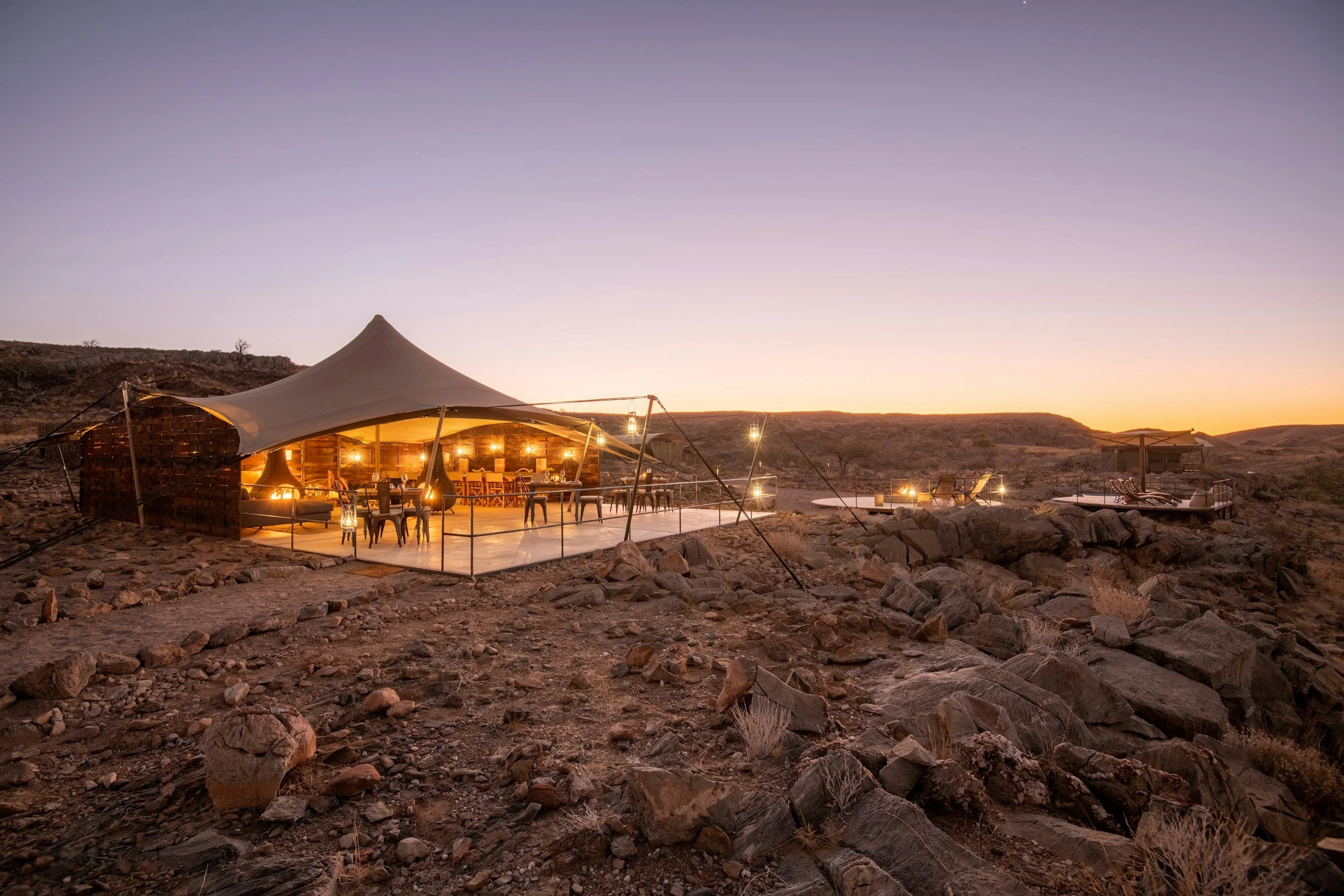
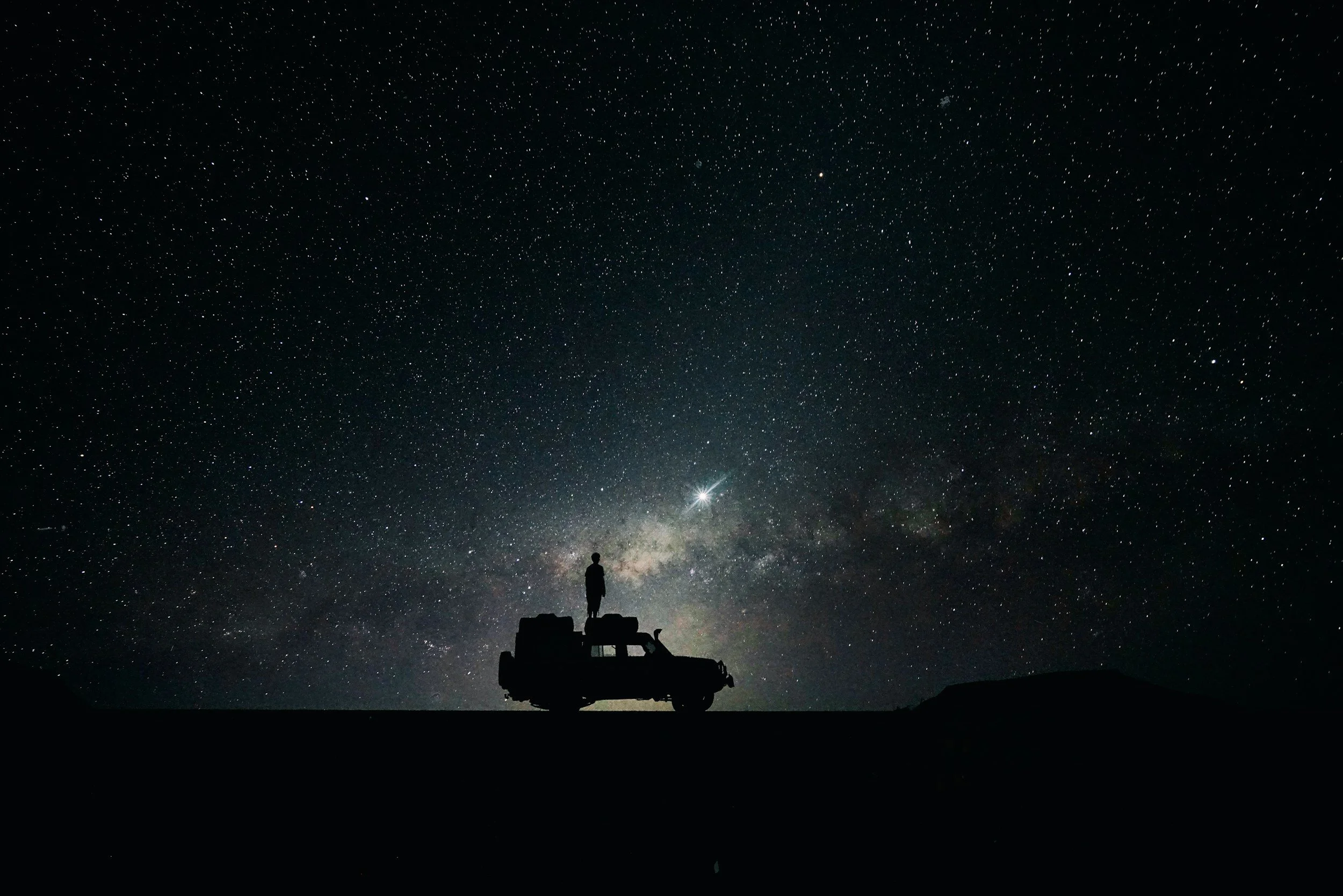
By night, we settle into carefully chosen safari lodges and remote tented camps, places that honor the landscape rather than compete with it. Long tables, thoughtful comfort, and millions upon millions of stars overhead in true Dark Sky silence. This is an intimate journey designed for friends and family — small, intentional, and built around shared movement rather than spectacle. Namibia doesn’t shout for attention; it expands you quietly, leaving you altered by its scale, its color, and the feeling of having truly moved through one of the most extraordinary landscapes on earth.
*We recommend beginning in Cape Town — an ideal soft landing before turning north toward Namibia. Take a few days to ease into the rhythm of southern Africa: mountain air, long golden light, remarkable food, and mornings without urgency. By the time you cross into Namibia, you’ll arrive grounded, refreshed, and fully present — ready for what lies ahead.
D1 - ARRIVAL WINDHOEK
Take a morning flight from Cape Town to Windhoek, where you’ll be met on arrival and transferred to The Weinberg Hotel — your first base in Namibia. After settling in, we’ll head across town to collect our 4x4 vehicles, complete the formalities, sign the necessary waivers, and walk through the rigs together. It’s the first tangible step into the journey ahead — when anticipation becomes real.
The remainder of the afternoon is yours. Wander through Windhoek’s blend of modern energy and frontier history, sample local flavors, or simply ease into the rhythm of the country. As evening settles in, gather at the Weinberg’s Sky Lounge for your first Namibian sunset — glass in hand, watching the light fade across the valley.
Dinner is just steps away at the iconic Joe’s Beerhouse, followed by a well-earned night’s rest. Tonight is about arrival. Tomorrow, the landscape opens — and the expedition truly begins.
Welcome to Namibia.
O/N The Weinberg Hotel, Gondwana Collection Namibia
D2 - OKONJIMA NATURE RESERVE
Afternoon Big cat Safari
Driving Time = 220 km (137 miles) 2.5 to 3 hours
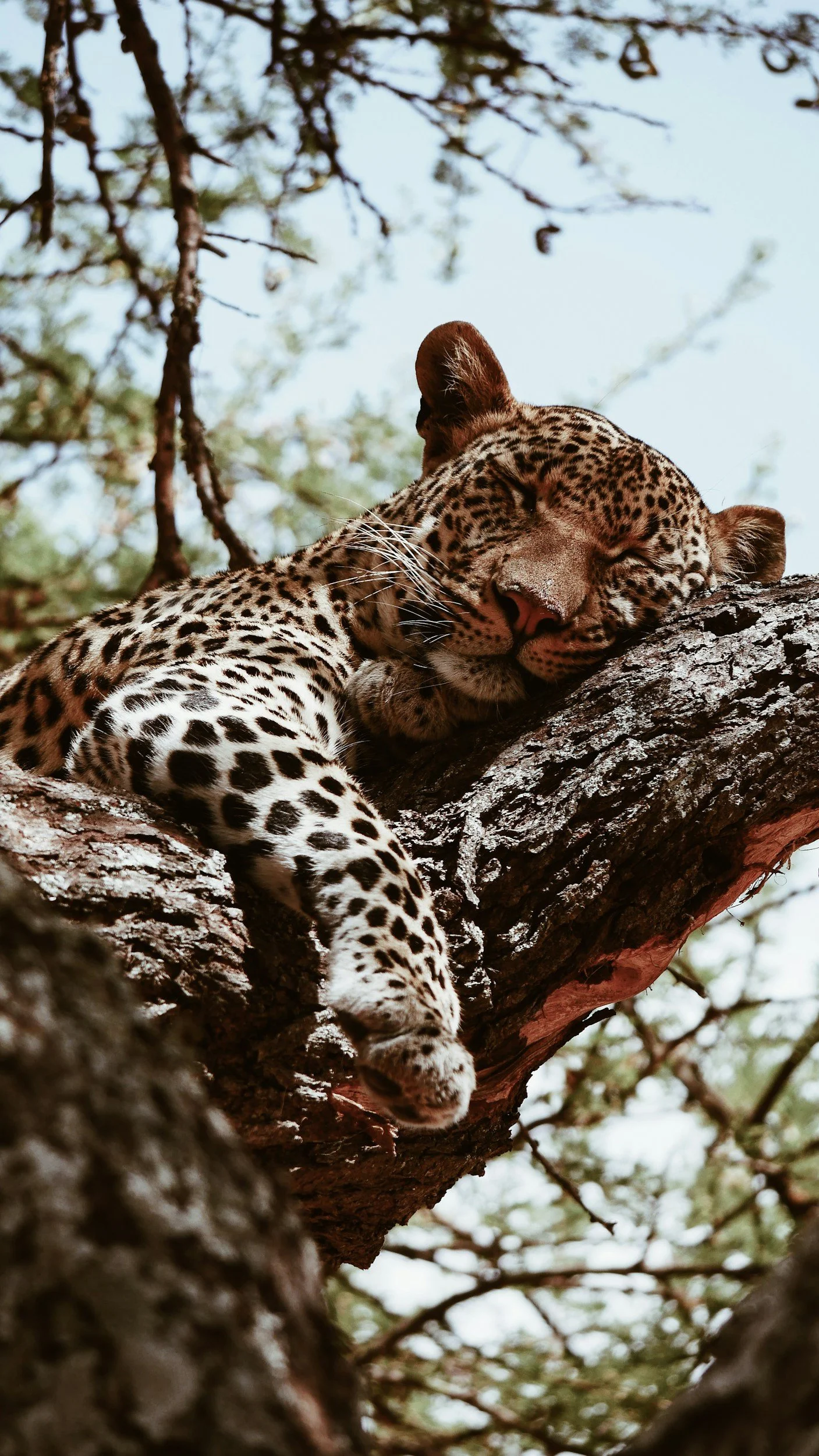
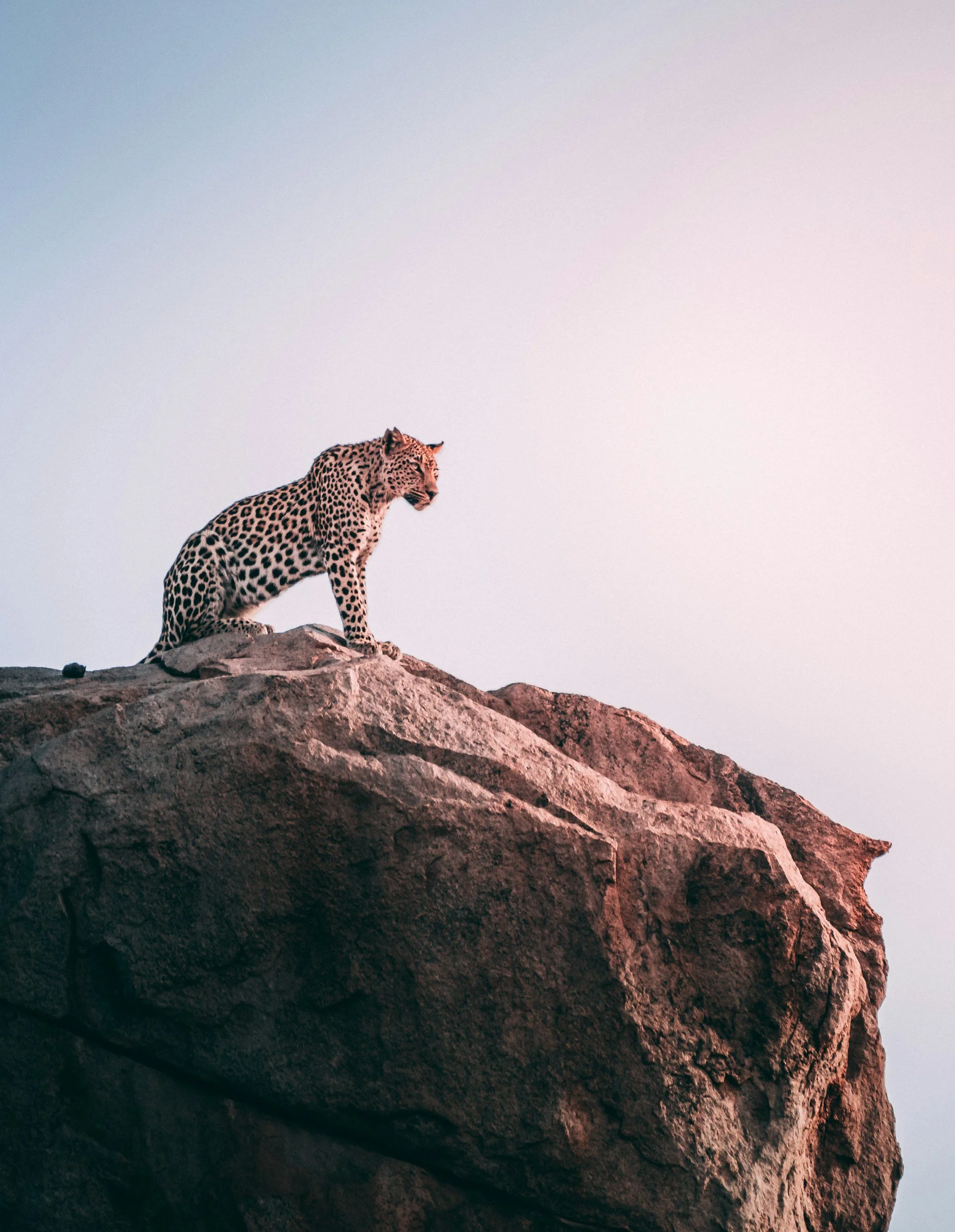
This morning we leave the city behind and begin our first drive north. For now, the gravel waits — this stretch follows one of the few paved highways in the country, an easy introduction before the true 4x4 terrain begins. The landscape gradually opens, the horizon widening with each mile. By mid-morning we arrive ready for something altogether different. Today, we go in search of the big cats — leopard.
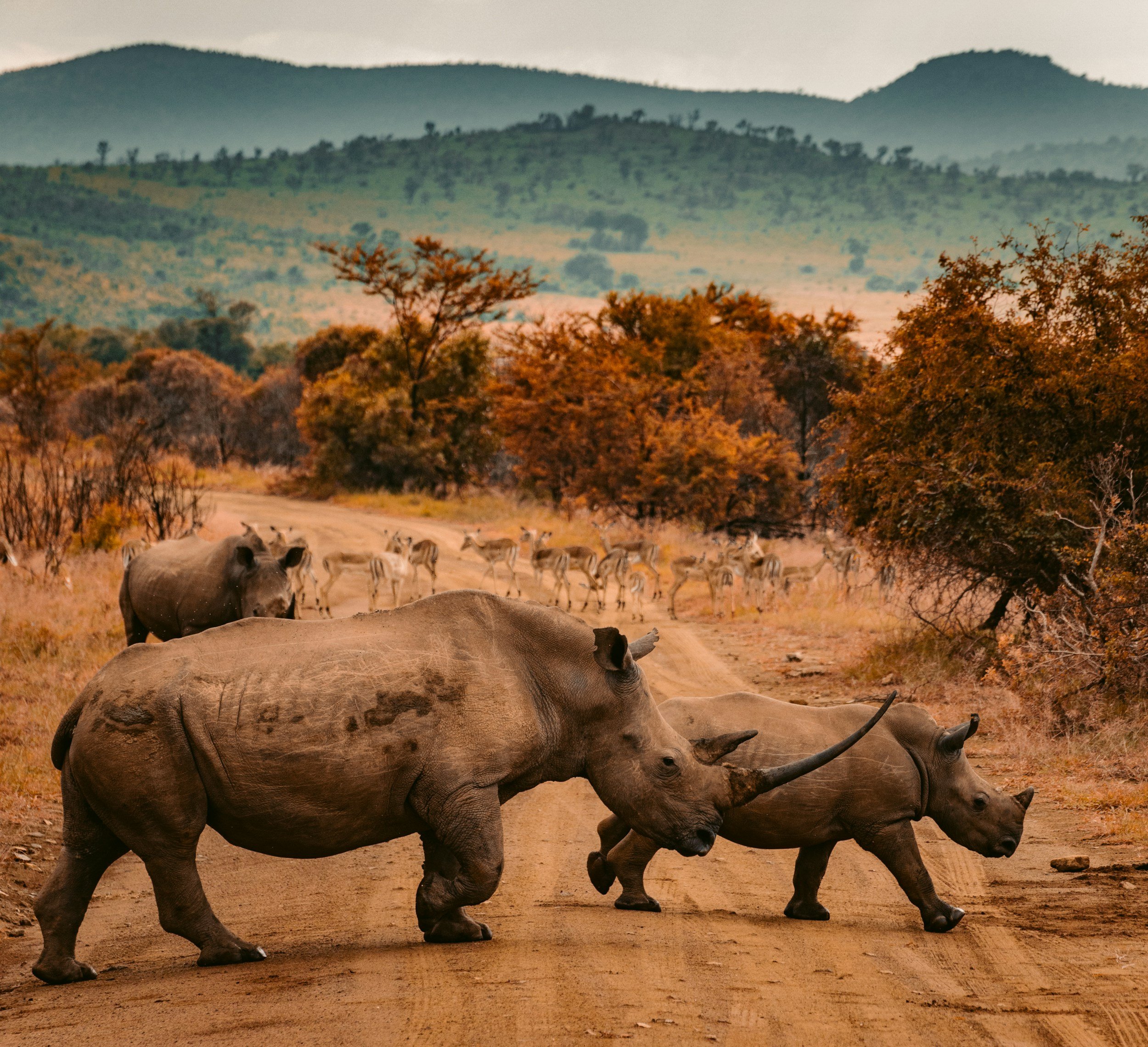
Okonjima is a working conservation landscape, known for its pioneering research and long-term commitment to wildlife protection. Set beneath the Omboroko Mountains, it’s a place of open plains, rocky ridgelines, and acacia savannah — once a cattle farm, now one of Namibia’s most respected sanctuaries. Leopard and rhino anchor the reserve, alongside brown hyena, giraffe, zebra, wildebeest, eland, and a wide range of antelope. Some species have been reintroduced. Others have endured here for generations.
For our group, the experience is entirely private — dedicated guides, our own vehicles, and a tailored rhythm that keeps encounters calm and unhurried. Tracking here is deliberate. You read the land. You scan the ridgelines. And when a leopard finally appears, it feels earned.
What makes Okonjima powerful isn’t just the wildlife — it’s the intention behind it. Conservation here is active, grounded, and deeply rooted in the land’s history.
For a few days, we step into that story — not as observers, but as participants in a landscape that has chosen restoration over erasure.
O/N Okonjima Nature Reserve & Lodge
After dinner, when the lodge has gone quiet, we may head back out into the reserve — this time in search of one of Africa’s most elusive animals: the pangolin.
The night air cools, the savannah sharpens, and we move slowly with our guide, scanning the sand for subtle signs. Pangolins aren’t “spotted.” They’re found through patience and experience. If we’re fortunate, we may witness one moving deliberately through the bush — small, armored, ancient.
It’s a rare and intimate encounter, and a powerful reflection of Okonjima’s deep commitment to conservation. In the stillness of the Namibian night, even the quietest creature can leave the strongest impression.
D3 - OKONJIMA NATURE RESERVE
After a hearty lodge breakfast — strong coffee, fresh fruit, warm light spilling across the plains — we lace up and step away from the comfort of camp.
Today, we go on foot.
With experienced guides leading the way, we move quietly into the reserve. The pace changes immediately. No engine. No elevation. Just boots on earth and the steady rhythm of walking. The land begins to speak in details — fresh spoor pressed into sand, a snapped twig, dung still warm, the direction of wind across open ground.
Tracking rhino on foot is deliberate work. Slow. Focused. The guides read the landscape like a living map, interpreting signs most of us would step past without noticing. We advance carefully, always aware of wind and distance, adjusting our path with quiet hand signals and measured pauses.
And then, if conditions align, the moment arrives.
A white rhino grazing in open savannah. Massive. Prehistoric. Surprisingly silent. The scale feels entirely different when you stand on the same ground, with nothing between you and the animal but space and respect.
It’s not adrenaline that defines the experience — it’s awareness. Humility. The realization that you are briefly sharing terrain with a creature that has survived against enormous odds.
To track rhino on foot in Okonjima is to step into something real — guided by people who understand both the animal and the responsibility of protecting it. It’s quiet, layered, and deeply powerful.
D4 - AI-AIBA - THE ROCK PAINTING LODGE
Driving Time = 280–290 km (175–180 miles) 5 to 6 hours
We leave Okonjima and turn south, and almost immediately the land changes. Thornveld thins, gravel stretches long and straight, sandstone rises and falls in quiet waves. This is working Namibia now — dry, open, uncompromising. The noise drops away and the horizon takes over.
By midday we step out of the vehicles and into deep time. Dinosaur tracks pressed into exposed rock, nearly 200 million years old. No signage spectacle, no barrier — just stone and history under open sky. Then we roll again, pushing deeper into ranchland shaped by rivers that run only after rain but still dictate the land as if they never stopped.
We follow a remote gravel line through the Omaruru River corridor. It’s a road that feels earned, cutting straight into the interior. Omaruru itself exists because of water — it always has. Long before it became a town, Herero and Damara communities crossed here with cattle and trade. Missionaries and settlers followed. Granite from the Damara Belt — some of the oldest exposed rock on earth — frames everything.
We refuel, then reset properly at Ondjaba Whisky. Mahangu grain, smoked with elephant dung, matured in oak and wine casks beneath the African sun. Smoky, dry, complex. Entirely of this place.
From there, the road roughens and we shift fully into 4x4 mode, heading into the Erongo Mountains. The terrain tightens. The track demands attention. Ai-Aiba Rock Painting Lodge sits inside the Erongo Mountain Rhino Sanctuary Trust, nearly 180,000 hectares where internal fences came down, livestock stepped aside, and wildlife was given room to move again. Black rhino have been reintroduced. Hartmann’s mountain zebra hold the escarpments. The system works because it’s allowed to breathe.
The Lodge
The Ai-Aiba lodge nearly disappears into the terrain. Curved thatched roofs sit among massive boulders, granite hues mirroring the land. Chalets are calm and generous—private patios, big windows, deep bathrooms—designed to pull the outside in.
Meals unfold under open skies beside a palm-fringed pool. Evenings gather naturally around the firepit as the Erongo glows red, then fades into deep blues and mauves. At night, subtle lighting traces the rock without breaking the silence.
D5 - AI-AIBA - THE ROCK PAINTING LODGE
On Foot, On Bike, Through History
We spend a full day at Ai-Aiba, set deep in the Erongo Mountains where granite stacks itself into improbable forms and history sits right on the surface. This isn’t just a lodge—it’s a living archive. Scattered across the land are more than 200 San (Bushman) rock art sites, etched into caves, overhangs, and open stone, preserved by time and isolation.
Walking With the San
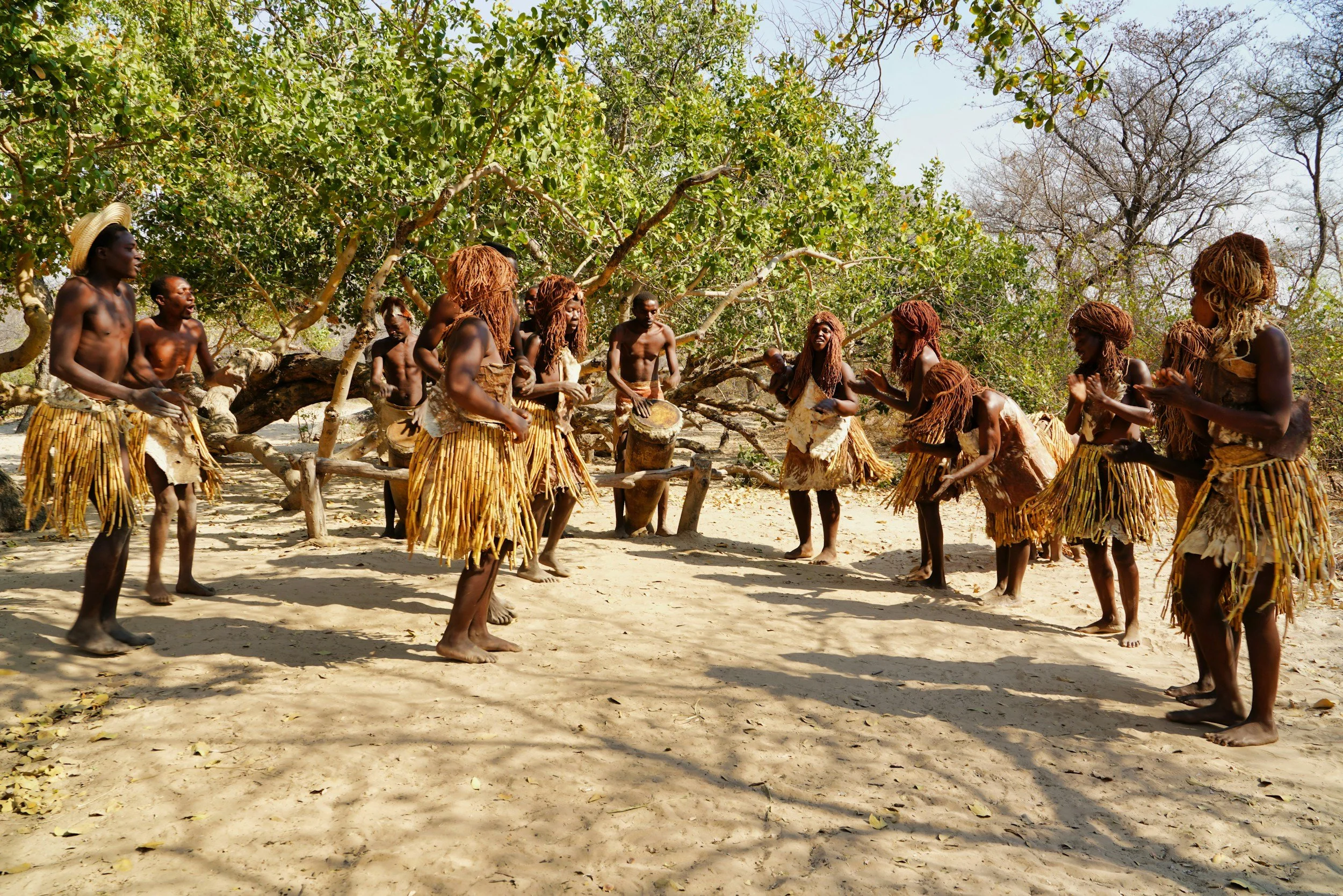
Here, members of the San community walk with us—people whose ancestors created the art you’re standing in front of, whose language still carries the unmistakable click sounds shaped by this land. This isn’t a guided walk in the usual sense. It’s shared movement, following the same paths their people used for generations.
You learn how they read the landscape—animals, water, weather, survival. The paintings shift from images to instruction. Stories are passed on foot, in place, with the quiet authority of lived knowledge. You’re not observing history. You’re walking inside it.
Riding the Erongo Mountains
Ai-Aiba offers some of Namibia’s most surprising cycling — flowing trails laid across ancient granite landscapes, designed for rhythm rather than punishment. The routes wind through open plains, rocky outcrops, and quiet mountain corridors, emphasizing immersion over technical difficulty. E-bikes are available, making the terrain accessible while still delivering the full sense of movement through this dramatic landscape. Guided rides add local insight, and wildlife — gemsbok, giraffe, kudu, baboons, and occasionally even leopard — move quietly through the background as you ride.
Tonight, we gather for something timeless: a traditional Namibian braai under an open sky. Fire, slow-cooked meat, good wine, and stories carried upward into a ceiling of stars. No city glow. No interruption. Just heat from the coals and the vastness above.
D6 - SKELETON COAST
Driving Time = 550–650 km (340–405 miles) 9–11 hours
Today is a driving day — a real one.
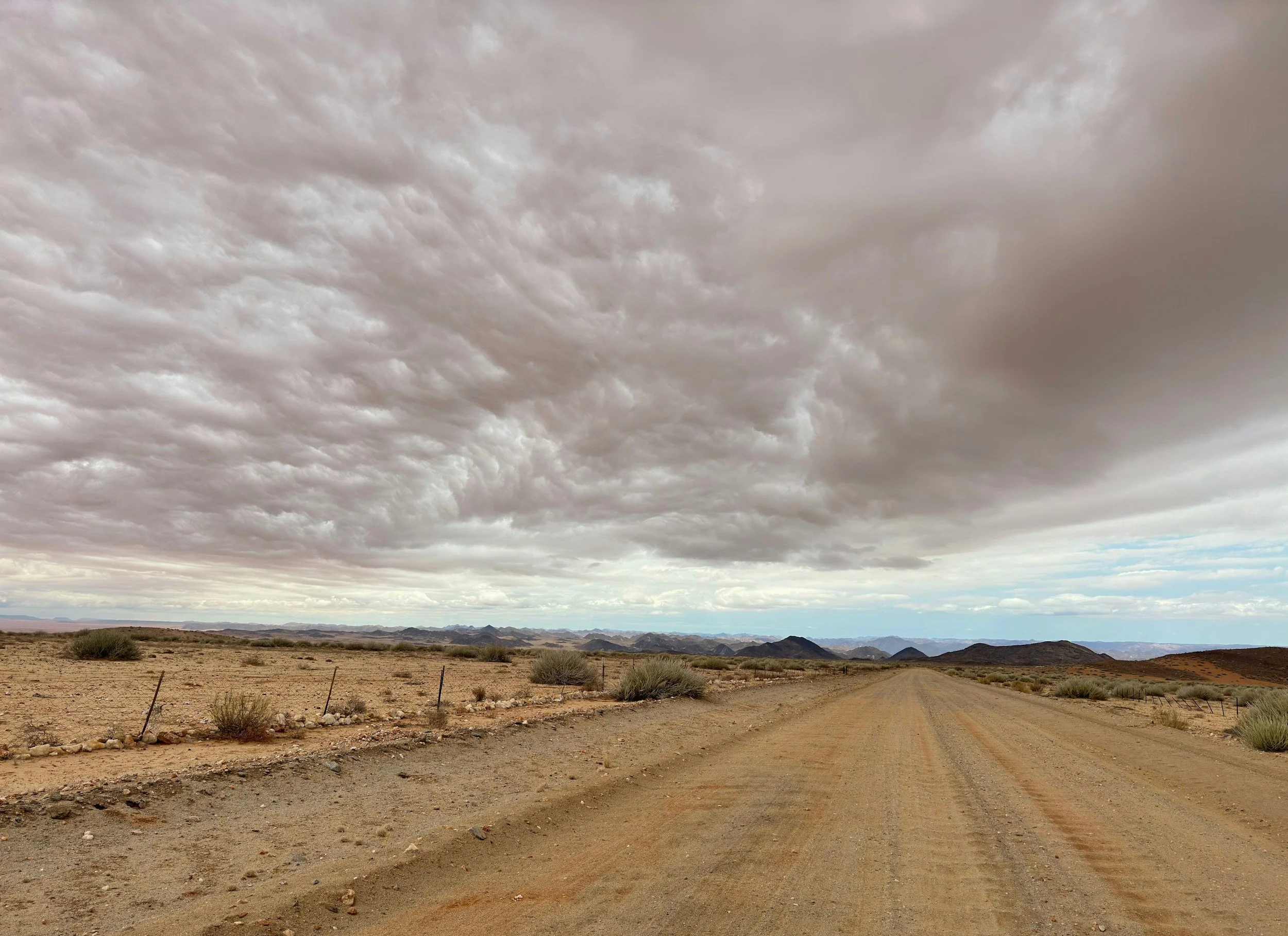
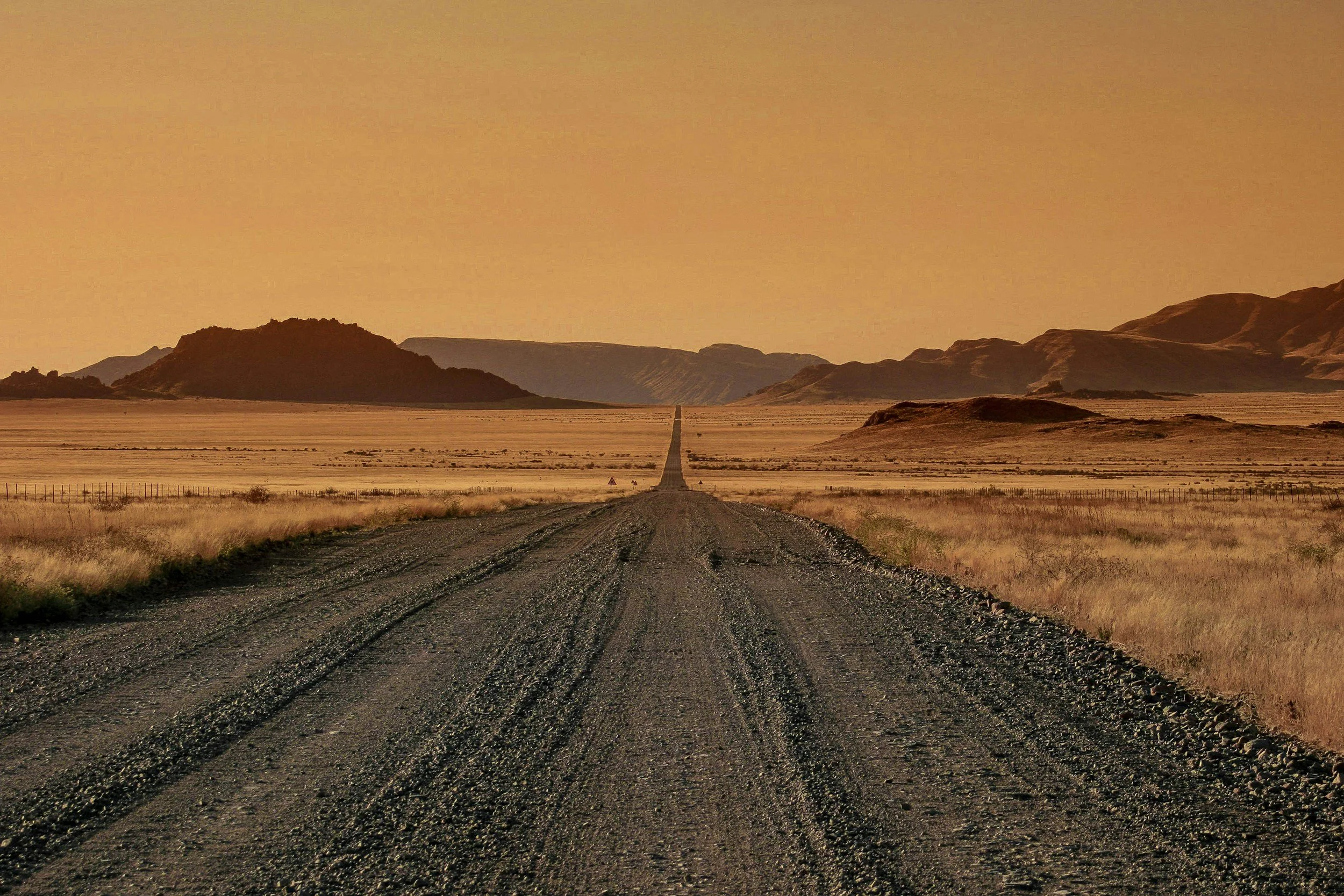
We leave the granite folds of the Erongo Mountains early and point north, the terrain gradually flattening before widening into something much larger. Gravel stretches long and uninterrupted. Settlements thin. The land begins to feel remote in a way that isn’t performative — just honest.
We pass through Oruhito and push deeper into communal conservancy land, entering the Torra Conservancy where the road becomes more elemental. Here the landscape shifts again — open plains giving way to broad valleys framed by distant escarpments. You may spot desert-adapted wildlife long before you realize you’re looking at it. A line of oryx against the horizon. Hartmann’s mountain zebra moving across stone. Dust trailing behind us in long, quiet plumes.
As we near the coast, something changes in the air.
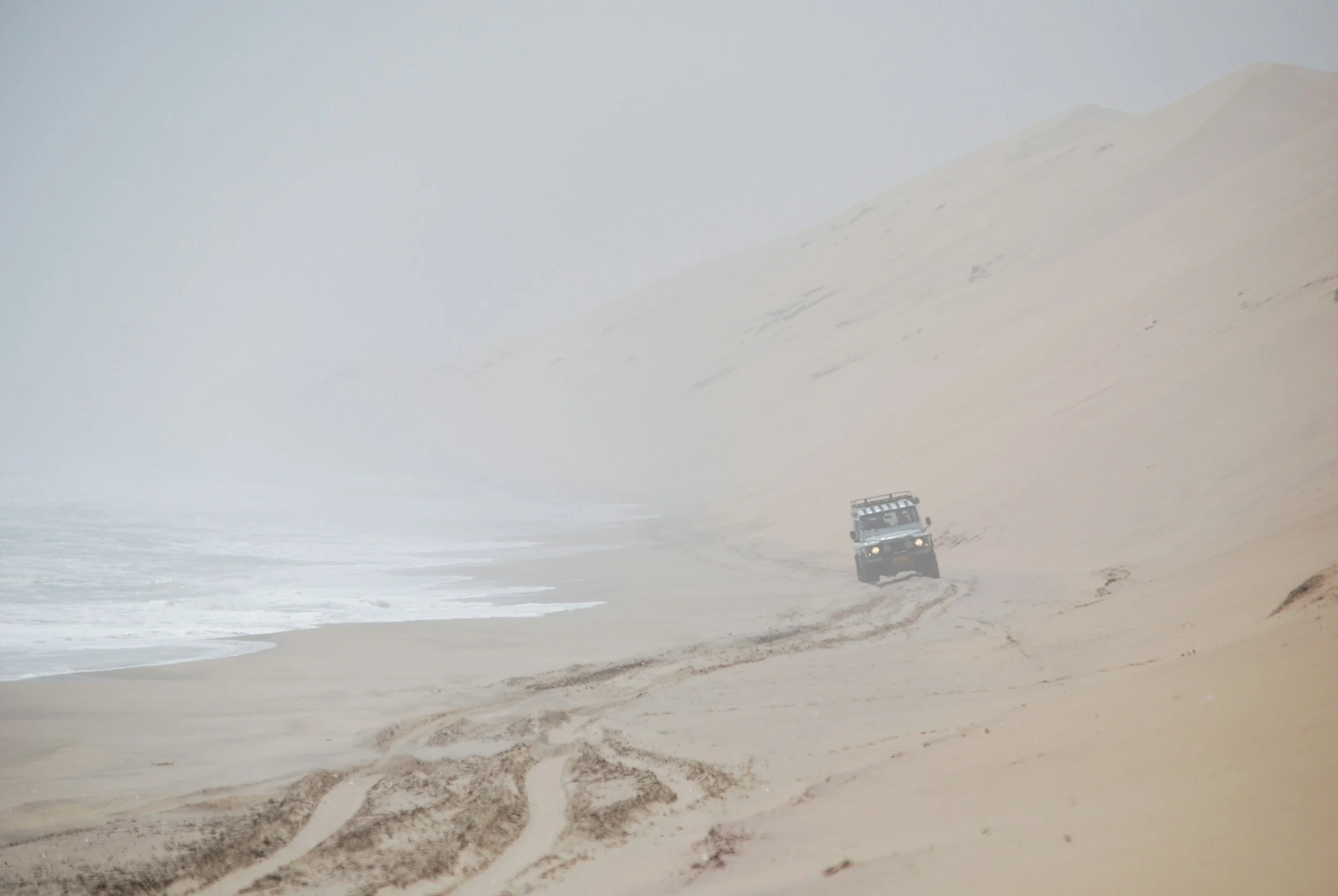
The heat softens. The light flattens. And eventually, the Atlantic announces itself not with water, but with fog. The Skeleton Coast doesn’t reveal itself quickly. It emerges — slowly — from dune and silence.
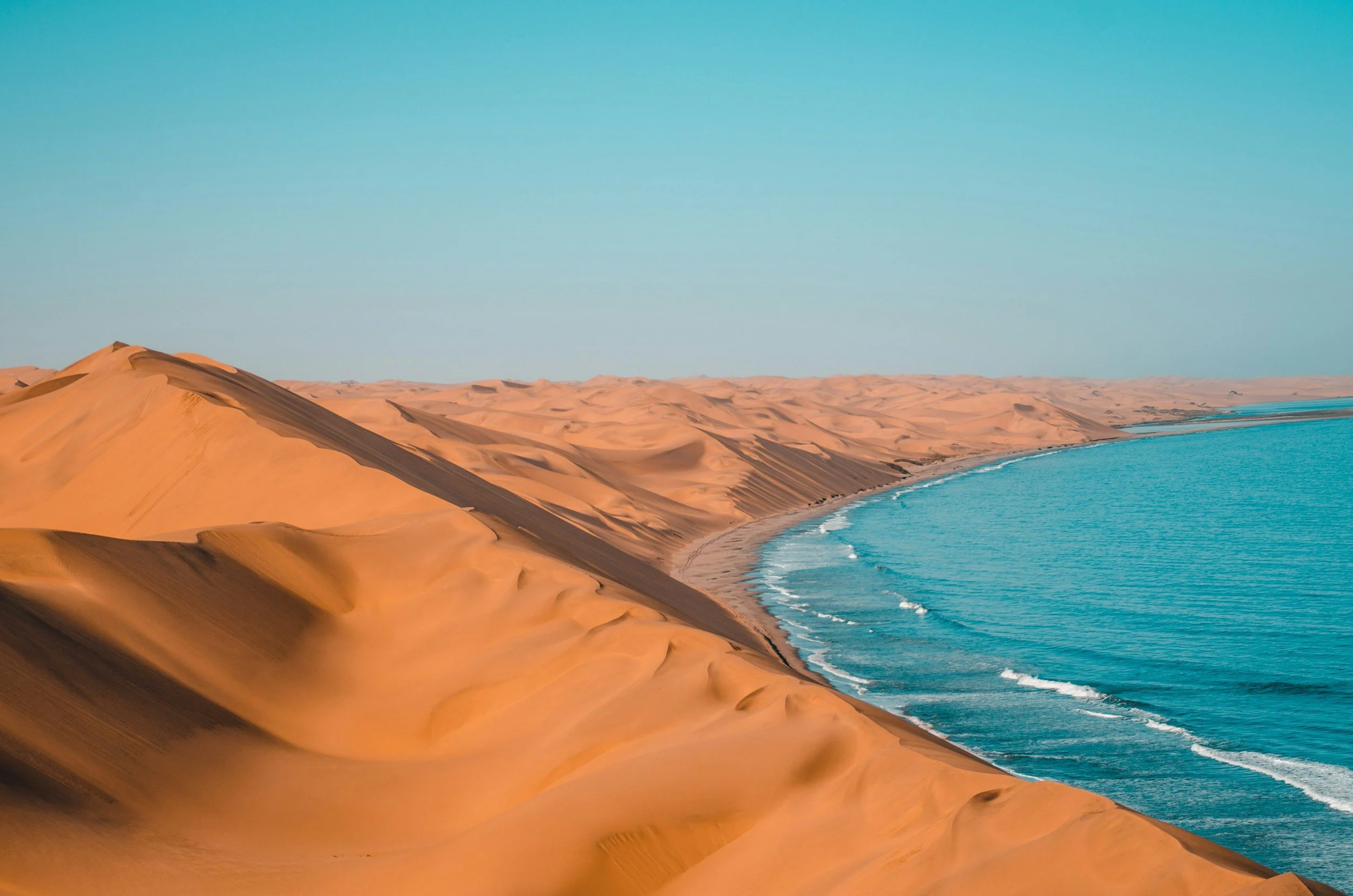
We enter the Skeleton Coast National Park and trace the shoreline toward Torra Bay. This is one of the most remote stretches of coastline in Africa. Sand meets cold Atlantic. Waves crash against a shore that has claimed ships for centuries. The road runs between dune and ocean, sometimes firm, sometimes soft, always shifting.
And then — almost improbably — Shipwreck Lodge appears.
Set among wind-sculpted dunes, the lodge feels like something discovered rather than built. Its architecture mirrors the maritime history of the coast — cabin structures shaped like stranded vessels, blending into sand and sky as if washed ashore by time itself.
Inside, it’s quiet and refined. Understated luxury without excess. Warm hospitality in one of the most remote places on the continent. Atlantic fog rolls in and out as the light changes by the minute.
This is not a coastline shaped by comfort. It’s shaped by time, weather, and legend.
And tonight, we sleep in the middle of it.
O/N Shipwreck Lodge
D7 - SHIPWRECK LODGE - SKELETON COAST
Shipwreck Lodge sits where dune meets Atlantic, in a landscape shaped by fog, wind, and time. The Skeleton Coast is vast and austere — but it is also layered with history.
Today, we head out with our guides along this legendary shoreline, tracing a coast known as much for its stories as its scale. The drive reveals remnants scattered across sand and surf: the remains of the Suiderkus, a modern vessel that ran aground in 1977 despite advanced navigation; the wreck of the Karimona, a reminder of the unforgiving Benguela Current; traces of the old Westies Diamond Mine, where industry once tried to outpace nature; and even the scattered remains of a Ventura bomber — quiet evidence of another era.
Along the shoreline, vast seal colonies gather, sustained by the cold Atlantic waters. The air carries sound and movement against an otherwise empty horizon. We observe from a respectful distance, allowing the scene to unfold without intrusion.
Throughout the day, we move between ocean and desert, history and wildlife, ruin and resilience. The pace is deliberate. The scale humbling. Nothing is staged. The coastline simply reveals itself.
By evening, we return to the lodge, the Atlantic fading into mist and the dunes holding the last light.
The Skeleton Coast does not perform. It endures. And for a day, we move within its history and its wildness.
O/N Shipwreck Lodge
D8 - SKELETON COAST - SWAKOPMUND
Driving Time = 340 km (210 miles) 6.5 to 8 hours
From the Edge of the World to the Sea. Leaving Shipwreck Lodge, the Atlantic lingers beside us for a while longer — cold, restless, and wrapped in morning fog. The dunes soften behind us as we make our way south through the Skeleton Coast, following a shoreline shaped by wind and time.
The first hours are slow and deliberate. Sand tracks, shifting light, long empty horizons. This is still wild country. The ocean stays in view, sometimes close enough to hear, sometimes hidden behind rising dunes. Fog moves in and out, flattening the world to silver.
As we exit the national park and continue south, the terrain begins to ease. The gravel straightens. The rhythm changes. Eventually, tar returns beneath the tires near Henties Bay — the first real sign that we are re-entering the everyday world.
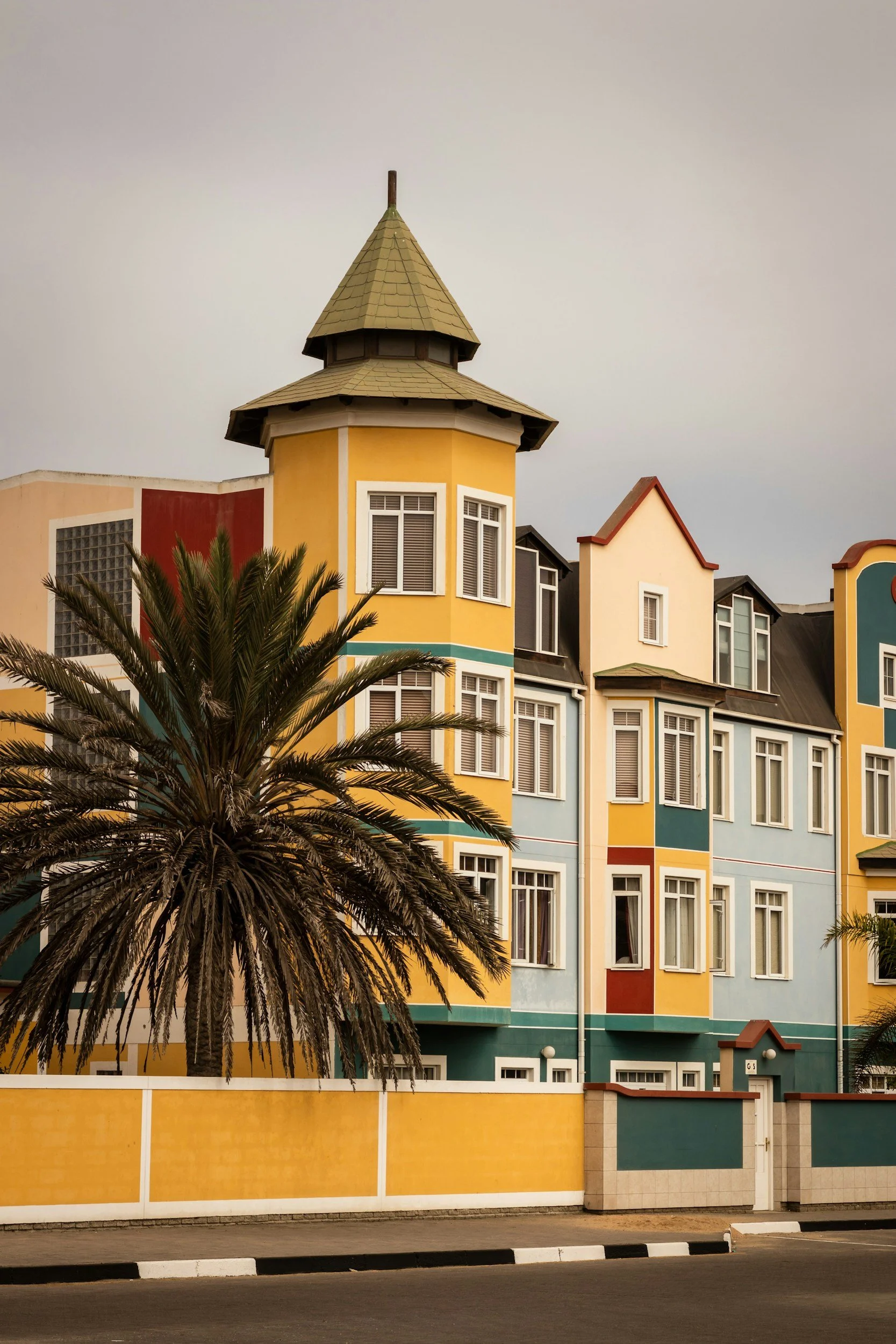
From there, it’s a final coastal run into Swakopmund. The Atlantic remains on our right, but the mood shifts. Cafés replace seal colonies. German colonial facades replace dunes. After days in deep desert, Swakopmund feels almost cosmopolitan — a soft landing after raw exposure.
It’s a full driving day, yes — but one that traces the arc from isolation to shoreline town, from elemental wilderness back to structure.
A reminder of how quickly Namibia can change — and how vast it truly is.
O/N The Strand Hotel
D9 - SOSSUSLVEI
Driving Time = 350–380 km (220–235 miles) 5.5 to 7 hours
In the morning, take a walk along the strand just in front of the hotel — cold Atlantic air, long horizon, seals offshore if you’re lucky. Swakopmund wakes slowly. It’s a charming little coastal outpost — German facades, desert light, a touch of surf-town energy. Wander a bit. Soak it in.
Before we turn inland, we stop for one final espresso at Two Beards Coffee. Strong. Sharp. Necessary.
Then we roll south along the coast toward Walvis Bay — flamingos in the lagoon, salt pans flashing white — before cutting east into the Namib.
And then it changes!
The road dives into Kuiseb Canyon, rock split wide by time. Gravel stretches long and empty. The horizon grows infinite. We cross the Tropic of Capricorn — a quiet line with real heat — then reset in Solitaire for fuel and apple pie in the middle of nowhere. Dust on boots. Engines ticking.
From there, the Hardap Region opens wide and the light sharpens, the dunes ahead beginning to burn red against an empty horizon. By the time we reach Sesriem and turn toward Dead Valley Lodge, the desert has fully taken over — ocean to canyon to gravel to red sand in a single sweep. It’s one of the great drives anywhere. Tomorrow, we walk straight into the dunes.
Dead Valley Lodge drops you straight into the red heart of the Namib — no commute, no gates at dawn, just dunes rising like walls outside your door. The suites are sharp and minimal — canvas, glass, plunge pool — built to face the sand, not distract from it. You wake up inside the desert, not on the edge of it. And when first light hits those dunes, you’re already there.
O/N Dead Valley Lodge
D10 - SOSSUSLVEI
Drive Time- 120 minutes 2.5-3 hours hiking
We’re up before the sun, coffee in hand, moving quietly while the desert still holds the night. Because we’re staying inside the Sossusvlei National Park gates, there’s no waiting, no convoy of headlights ahead of us. We roll out early along the paved 60-kilometer ribbon that pulls us deep into Sossusvlei, the dunes still dark against a pale horizon.
As first light breaks, the Namib begins to glow. The sand walls rise higher and higher, shifting from violet to burnt orange as the sun clears the edge of the world. The desert tightens around us. The scale becomes undeniable. It feels less like driving and more like entering something ancient.
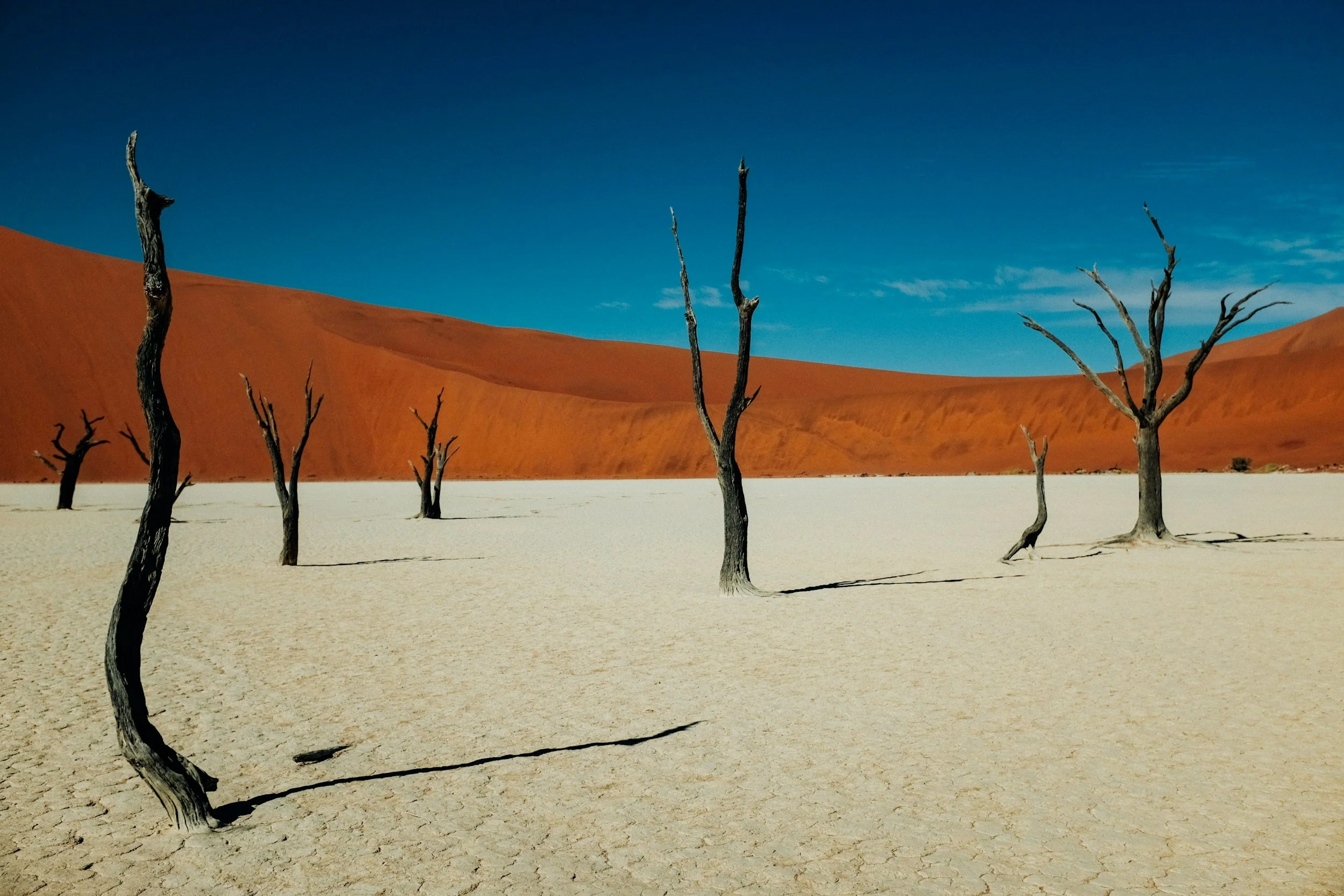
At road’s end, the engines cut and the rhythm changes. We trade shoes for boots and step straight into the sand, beginning the climb up Big Daddy. The ascent is slow and deliberate, every step sinking, every breath earned. From the summit, the view is endless — waves of red dunes stretching beyond sight, wind carving the ridgelines in real time. And then comes the descent, running and sliding down soft sand, letting gravity take over until we spill into Deadvlei, where white clay and blackened camelthorn trees stand frozen in time.
Lunch is simple and earned. Shade where we can find it. Cold water. Maybe a cold beer. The kind that tastes better because of where you are. Later, we continue through the park toward Sesriem Canyon, walking the narrow stone corridor carved by the Tsauchab River, where life hides in shadow and silence.
By late afternoon, the desert loosens its grip. We return to the lodge sun-worn and sandy, the dunes now glowing again in a softer light. The sand washes off. The day settles. And as darkness falls, the stars take over — vast, unfiltered, and completely uninterrupted.
Another night in the Namib.
D11 - WINDHOEK
Driving Time = 340 km (220 miles) 4.5 to 5 hours
Leaving Sesriem, the dunes don’t disappear — they recede, slowly and with quiet authority. The red walls of the Namib linger in the mirrors, glowing in early light before dissolving into distance. The road pulls north across open gravel and endless horizon, the kind of space that makes you recalibrate scale without even realizing it.
Morning stretches wide here. The light is clean and low, brushing across plains that seem to breathe with heat and silence. The desert feels both ancient and unfinished, as if shaped just yesterday and still shifting beneath the wind. There’s a moment — somewhere between dune and escarpment — when the landscape feels impossibly vast, and you realize you’ve been driving through one of the oldest, most elemental places on earth.
And it doesn’t let you go easily.
The terrain begins to rise, folding into the Khomas Highlands, where the road climbs into sweeping mountain passes. Valleys open beneath you in layered blues and ochres, ridgelines stacking toward the horizon like slow-moving waves of stone. It’s a drive that feels cinematic without trying — long curves, deep cuts, sky pressing down in brilliant clarity.
By the time Windhoek reappears, framed by high desert hills, you’ve crossed from sand sea to mountain country in a single arc of road.
It’s not just a return drive.
It’s a farewell — written in gravel, light, and distance.
D12 - DEPARTURE
On departure day, transfers will be arranged to Windhoek’s Hosea Kutako International Airport for onward travel home. There are no direct flights from Namibia to the United States, so most guests route through a major international hub. The most common and straightforward connection is via Frankfurt, which offers the widest range of nonstop flights to U.S. cities. Doha, Addis Ababa, and Johannesburg are also reliable routing options depending on your final destination and preferred airline. Expect total travel time to range between 20–30 hours, typically with one or two connections.
Vehicles & Support
This is a self-drive journey — but not an unsupported one.
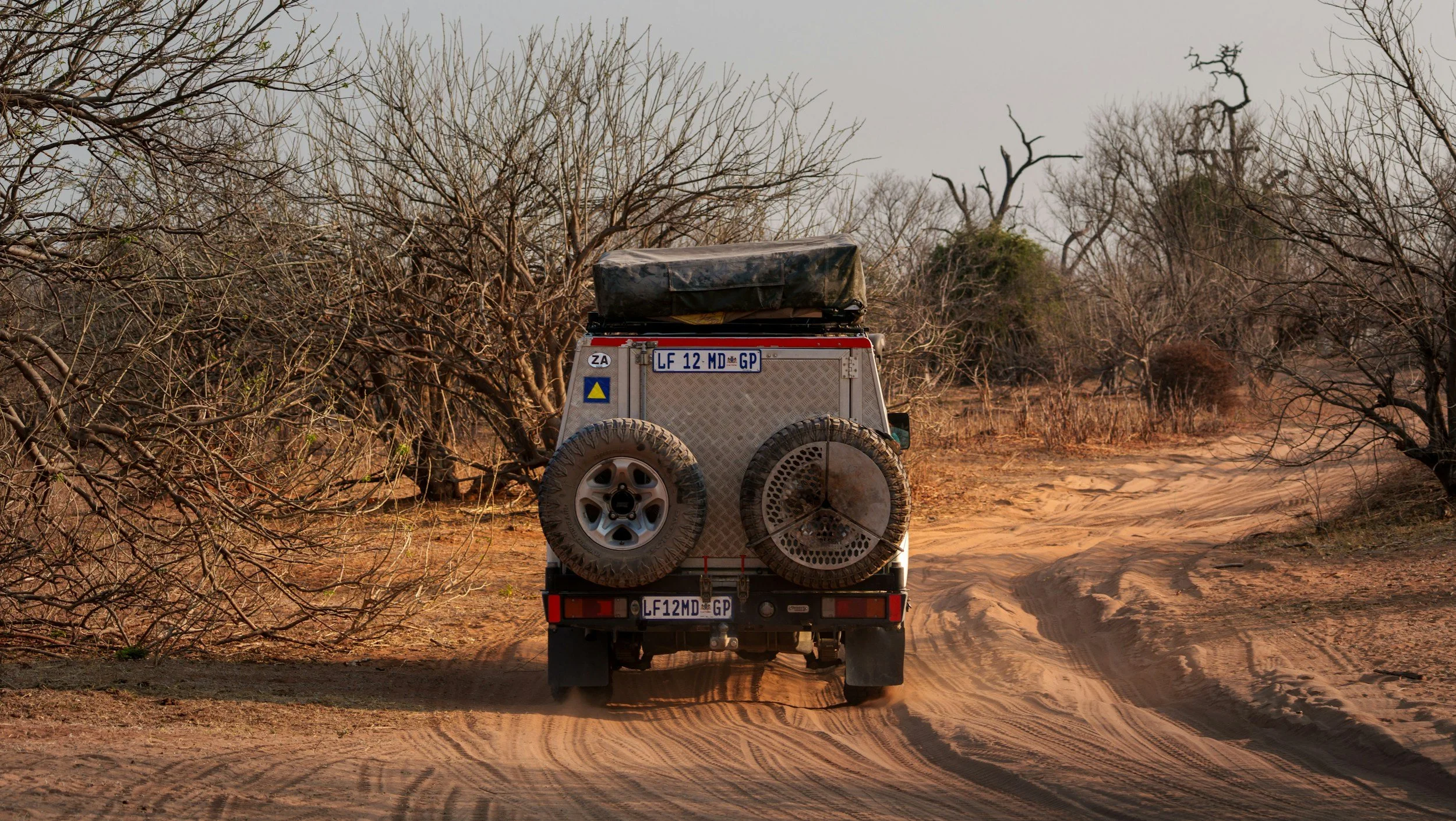
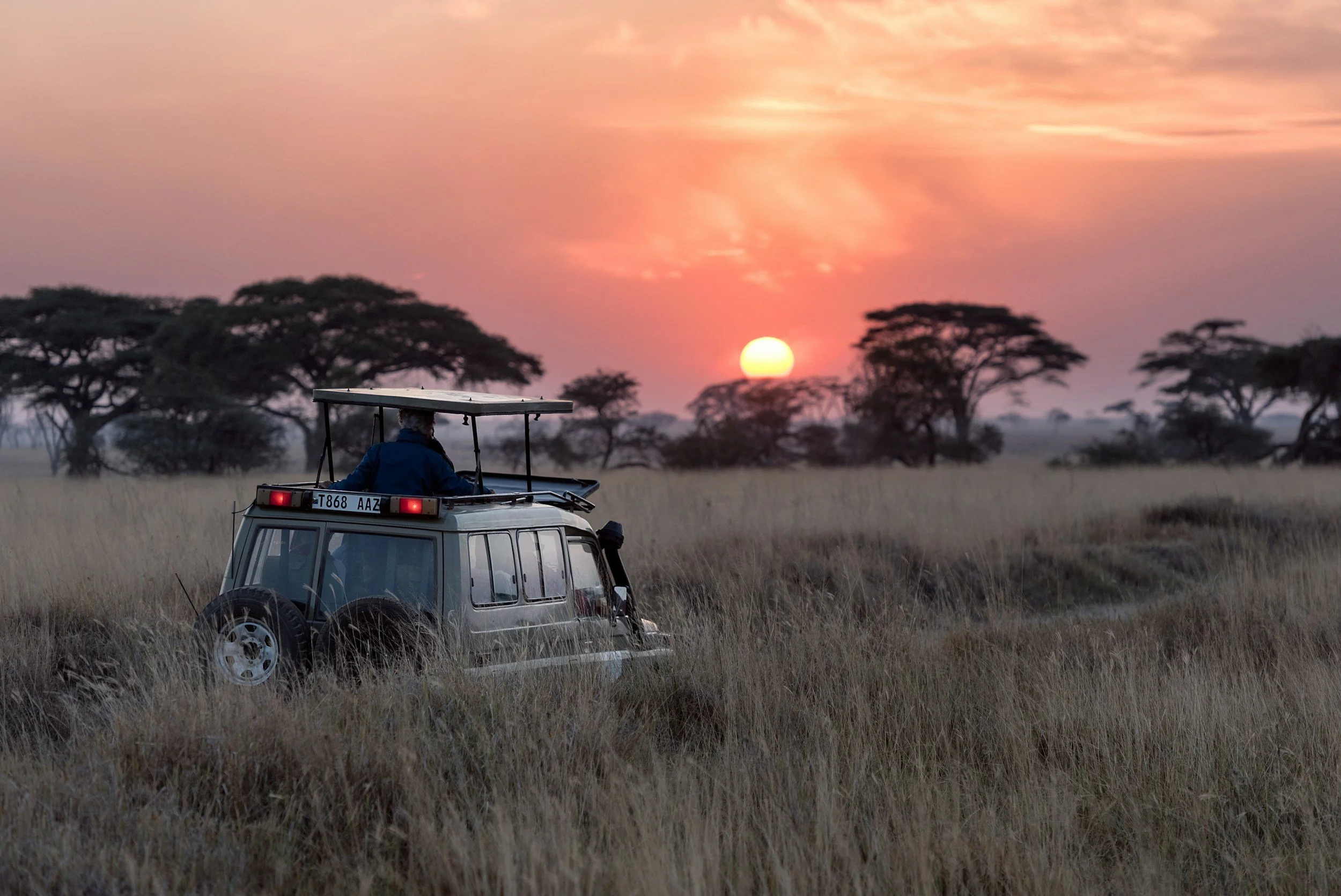
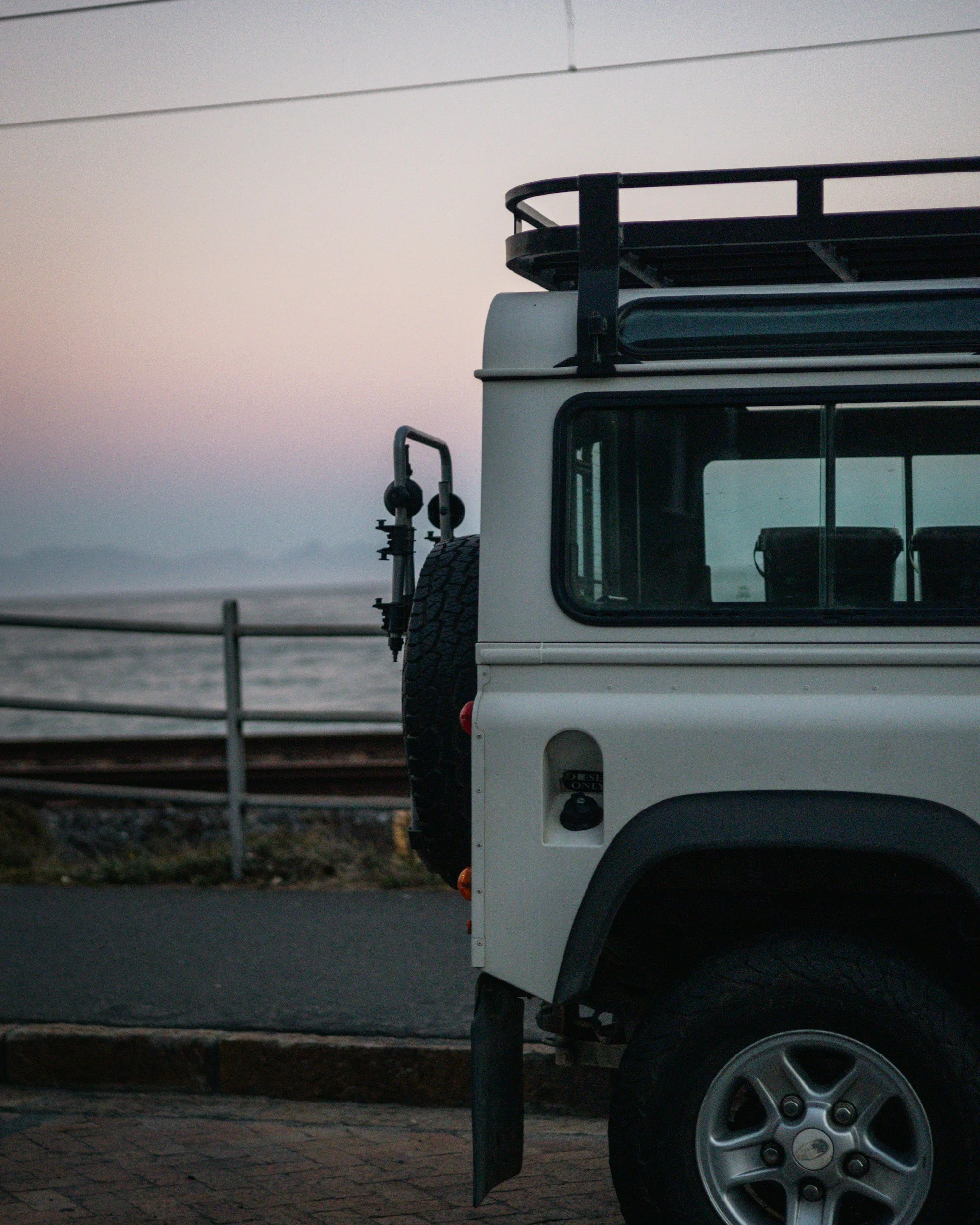
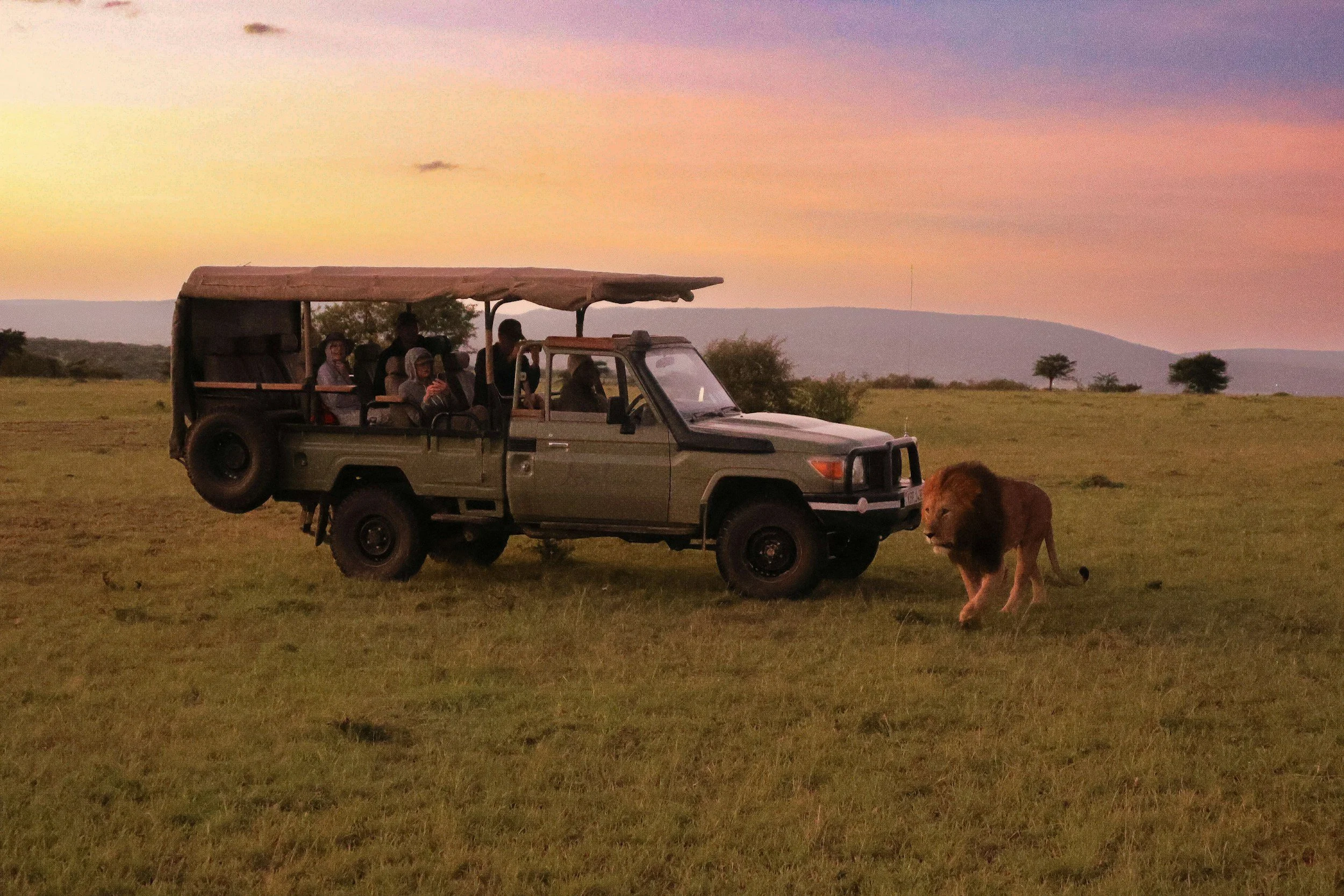
We travel in modern, fully equipped 4x4 vehicles, configured for Namibia’s terrain and long gravel distances. Each vehicle carries four to five participants, allowing for shared driving, navigation, and a comfortable amount of personal space.
We move in convoy, staying connected and within range of one another throughout the journey. No one is left navigating alone. Routes are pre-planned. Distances are deliberate. Daily drives are structured with clear meeting points, fuel strategy, and timing.
Vehicles are outfitted appropriately for desert travel, including:
All-terrain tires and proper ground clearance
Satellite navigation and route planning
Recovery equipment
Ample water and emergency provisions
Where appropriate, we also integrate local lodge support and guided wildlife drives within private reserves — allowing us to transition from self-driven exploration to expert-led safari experiences seamlessly.
This is not a rugged survival expedition. It’s a structured, well-considered overland journey designed for comfort, safety, and shared experience.
You drive — but you drive together.
You explore — but you are supported.
You experience Namibia actively — without sacrificing thoughtful planning.
Includes
All transfers according to programme, including airport shuttle
Guided game-viewer safari and wildlife experiences
Spectacular dining in the desert
11 nights with breakfast:
9 lunches, 9 dinners with regional and international fine dining
4 driving days in a provided Toyota or Ford 4x4 Safari Vehicle
Excludes
Not included in the price are your individual arrival and departure to/from the airport, the flights as well as additional overnight stays before/after the experience. If you have any questions, let us know.